A Macerator Pump Toilet can make a basement bathroom, compact ensuite, or garage conversion possible when a standard gravity drain is difficult to install. It uses a cutting mechanism and pump to move waste through a smaller discharge pipe. That flexibility is useful, but it does not make every model suitable for every room. Check the manufacturer’s specifications before comparing prices.
Start with the installation. Measure the distance to the drain, the required vertical lift, and the route for the discharge pipe. A unit that looks compact may still need clearance for servicing and access to power. Check the toilet’s flushing performance, noise information, warranty, and maintenance instructions. Consider how many people will use it each day. A guest bathroom has different demands from a busy family bathroom.
Details matter. A tight corner can complicate repairs. So can a poorly planned pipe route. Read the installation manual, and ask a qualified plumber to confirm that the proposed setup suits your home. Avoid choosing by price or appearance alone. The best Macerator Pump Toilet is one that meets the site’s requirements and can be maintained without major disruption. There is no perfect model. Even careful research cannot fully predict how a pump will sound in your own room, so treat noise claims as useful guidance, not a guarantee.
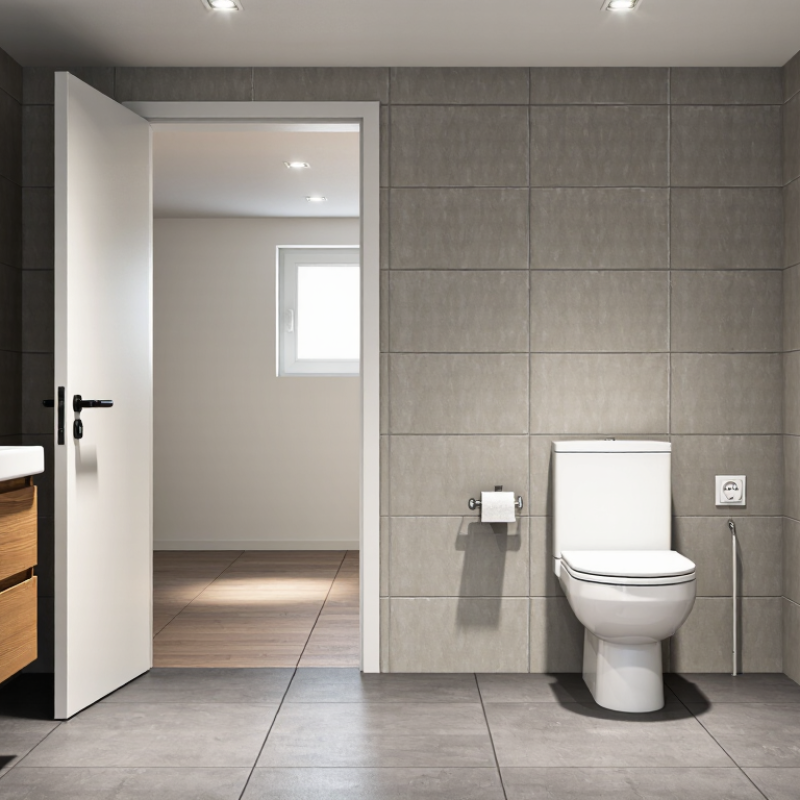
A macerator toilet can solve a layout problem, but the installation site must suit its plumbing. Measure the distance from the toilet to the proposed soil stack or drain connection. Check the route for the discharge pipe, including bends, vertical lifts, and obstacles behind walls or under floors. Small details matter.
Confirm the required pipe diameter, maximum lift, and permitted run length in the unit’s installation instructions. These limits vary, so do not estimate from another bathroom. The receiving drain also needs suitable fall and a secure connection. Ask a qualified plumber to check venting requirements and local plumbing conditions before walls or floors are closed. A nearby electrical outlet may be necessary; keep it accessible and positioned according to the manufacturer’s safety guidance.
Think about servicing, too. Leave enough clearance to reach the pump, isolating valve, and connections without removing a vanity or cutting finished panels. A neat, hidden pipe route looks appealing, but it can make repairs awkward. I might be tempted to tuck everything out of sight; that is not always the better choice. Measure twice. Note pipe routes, outlet locations, and access points on a simple sketch before committing to the layout.
When choosing a macerator pump toilet, compare the installation route with the pump’s performance curve, not a headline distance. Horizontal reach and vertical lift both affect flow. A long, narrow pipe with several bends can add resistance, even when the lift looks modest. Check the rated discharge distance at the planned lift, then include the actual pipe diameter, elbows, and outlet location. Keep a little margin. A tight fit may work on paper, but leave less room for future changes.
Capacity matters too. Look for the pump’s flow rate at the required total head; maximum flow and maximum lift usually describe different operating points. The Hydraulic Institute’s pump-system guidance emphasizes matching pump performance to system resistance, rather than selecting by one maximum figure. For context, the U.S. EPA WaterSense specification limits qualifying tank-type toilets to 1.28 gallons per flush. That is fixture water use, not proof of a macerator’s discharge capacity. ASME A112.3.4/CSA B45.9 addresses macerating toilet systems, so check applicable certification and installation requirements. Don’t guess. A practical check is to sketch the route, count bends, and confirm the pump curve against the real layout. Specifications can still feel incomplete; verify the proposed setup with a qualified plumbing professional.
Compare representative horizontal pumping distance, vertical lift, and discharge capacity.
These illustrative planning values represent different residential pump profiles, not guaranteed product ratings. Maximum distance, lift, and flow are not usually achieved at the same time: flow generally decreases as the total pumping head increases. Check the pump’s performance curve against your installation layout before choosing.
When choosing a macerator pump toilet, measure the available space and trace the discharge route before buying. A compact bowl may fit neatly, yet a long or rising pipe run can exceed the pump’s rated limits. Check the specified lifting height, pipe diameter, and permitted installation layout. The US EPA’s WaterSense specification sets a 1.28-gallon-per-flush maximum for labeled toilets, with independent performance testing. However, confirm that the macerator system supports the toilet’s flush volume. Small details matter.
Noise needs context. The WHO’s Guidelines for Community Noise recommend keeping continuous indoor bedroom noise below 30 dB LAeq for good sleep. That figure is not a direct pass-or-fail test for a toilet pump, which runs briefly. Ask for a measured operating sound level and how it was tested; wall cavities and hard floors can make a short cycle seem louder. A tidy drawing can mislead. I would check the pipe route twice.
Tips: Match the pump to toilet paper and human waste only, unless its instructions explicitly allow other material. Avoid wipes, cotton buds, and grease; they can clog or damage the system. Check the manufacturer’s waste-compatibility list, service access, and local plumbing requirements before installation. Don’t guess.
How to Choose the Best Macerator Pump Toilet?
Check Power Supply, Maintenance Needs, and Safety Features
Before choosing a macerator toilet, confirm that the available electrical supply matches the unit’s rated voltage and power requirements. Check where the outlet sits, too: it should remain accessible without being exposed to splashes. If wiring needs changing, ask a qualified electrician rather than improvising. A pump that cannot start reliably is more than an inconvenience.
Think about maintenance before installation. The pump needs reachable access for inspection, and the toilet should only receive waste and toilet paper unless its instructions say otherwise. Wipes can cause blockages, even when labeled flushable. Small warning signs matter: slower draining, unusual humming, or repeated cycling may point to a problem. Don’t wait for a full blockage.
Look for practical protections, such as overheat protection, secure electrical connections, and an alarm if the model includes one. Check how the system behaves during a power cut; most macerator pumps cannot operate without electricity. Keep the manual nearby, and follow its cleaning and service schedule. The details can feel fussy. They are easy to overlook, especially in a tight bathroom, but access and safe servicing matter long after installation.
| Selection factor | What to check | Practical guidance | Why it matters |
|---|---|---|---|
| Power supply | Rated voltage, frequency, current draw, plug type, and circuit requirements | Choose a unit that matches the local electrical supply. Residential models commonly use either 120 V or 220–240 V; confirm the exact rating on the product label and installation instructions. | An incompatible supply can prevent operation or create an electrical hazard. Do not assume that voltage or plug compatibility is universal. |
| Electrical protection | Grounding, circuit protection, and suitability for a bathroom location | Use a properly grounded supply and the residual-current or ground-fault protection required by local electrical codes. Have a qualified electrician verify the installation when needed. | Bathrooms are wet locations. Correct protection helps reduce the risk of electric shock; local codes and the unit instructions take precedence. |
| Discharge layout | Pipe diameter, total run, vertical lift, bends, and permitted connection points | Measure the proposed route before buying. Compare its total length and lift with the pump’s published performance limits, and follow the specified pipe size and fitting layout. | Longer runs, greater lift, and restrictive bends can reduce pumping performance. A layout outside the rated limits may cause poor drainage or frequent cycling. |
| Fixture compatibility | Supported fixtures and the number of permitted inlets | Check whether the unit is designed for a toilet alone or also accepts specified fixtures such as a basin or shower. Confirm inlet positions and any restrictions in the installation manual. | Connecting unapproved fixtures or exceeding the unit’s capacity can lead to overload, nuisance operation, or drainage problems. |
| Maintenance access | Access to the service cover, power connection, isolation valve, and pipe joints | Plan an accessible installation rather than sealing the pump behind permanent finishes. Leave enough room to isolate power and water and to follow the manufacturer’s service procedure. | Accessible equipment is easier to inspect and repair, reducing disruption if a blockage or component issue occurs. |
| Routine care | Approved cleaning products, flushing guidance, and blockage procedures | Follow the cleaning and maintenance instructions for the specific model. Flush only human waste and toilet paper unless the manufacturer explicitly allows other items; do not use chemical cleaners unless approved. | Wipes, sanitary products, cotton items, and unsuitable chemicals can obstruct or damage the macerator and may invalidate warranty coverage. |
| Noise and placement | Published sound information, mounting instructions, and clearance around the unit | Compare noise information under similar test conditions, if provided. Install on a stable surface and use only the vibration-control measures specified by the manufacturer. | Installation and building structure can affect perceived noise. Correct mounting helps limit vibration and avoid stressing pipe connections. |
| Operating limits | Maximum water temperature, duty limits, and permitted operating conditions | Check the model’s published limits before connecting other fixtures or hot-water sources. Do not infer temperature or continuous-use capability from the product category alone. | Operating beyond the specified limits can damage seals, motor components, or the pump system. |
| Backup and alarm options | High-level alarm, fault indication, or backup arrangements, if available | Consider an alarm where a pump failure could cause an overflow. A standard electric macerator toilet generally cannot pump during a power outage unless a suitable backup system is specifically provided. | Early warning can help limit water damage. Plan for loss of power and follow the system’s instructions during an outage. |
Always verify electrical ratings, installation limits, maintenance procedures, and local code requirements in the instructions for the exact unit being considered.
Compare the warranty as carefully as the purchase price. A longer term may still exclude labor, seals, or damage from improper installation. Check coverage for the motor, controls, and tank, and ask who pays for removal or shipping. Get exclusions in writing. Small print matters. Request an itemized quote for the unit, electrical outlet, discharge pipe, installation, and future servicing. A low upfront cost can rise if finished walls must be opened to reach the pump. That expense is easy to miss.
Suitability depends on the room and household routine. A macerator toilet can help add a bathroom far from a main drain, but confirm pipe routing, venting, noise, and permitted use with a qualified installer. Measure access for maintenance, too. For water context, the U.S. EPA’s WaterSense tank-type toilet specification sets a limit of 1.28 gallons per flush, at least 20% below the federal 1.6-gallon standard. This is a toilet water-use figure, not a pump-performance rating. For a shared bathroom, compare service-part prices and usage guidance. I may still overlook something; installation surprises happen.
Measure the route from the toilet to the drain connection. Note bends, vertical lifts, and obstacles behind walls or under floors. Small details matter.
Both add resistance. Check the pump’s performance curve at your planned lift, pipe size, and number of bends. Leave some margin.
Not by itself. Maximum lift and maximum flow may describe different conditions. A real pipe route can be less forgiving than a diagram.
Yes. Confirm the connection is secure and the drain has suitable fall. Ask a qualified plumber to check venting and site conditions.
Match the outlet to the unit’s rated voltage and power needs. Keep it accessible and away from splashes. Ask an electrician about wiring changes.
Leave room to reach the pump, valve, and pipe connections. Hidden pipes look tidy, but repairs may become awkward. I would not conceal every access point.
Only waste and toilet paper, unless the instructions allow other items. Wipes can cause blockages, even when labeled flushable.
Slower draining, unusual humming, or repeated cycling may signal a problem. Stop and check the manual. During a power cut, the pump usually cannot run.
Choosing the best Macerator Pump Toilet starts with understanding the installation site. Check the available space, existing plumbing, and where the waste can be discharged. Then compare the pump’s maximum horizontal distance, vertical lift, and discharge capacity with your home’s layout to ensure it can move waste reliably without being pushed beyond its limits.
Consider the toilet’s design, operating noise, and compatibility with the waste it is intended to handle. Review its power requirements, access for routine maintenance, and safety features, especially if it will be installed in a frequently used area. Finally, weigh the purchase and installation costs against the warranty and expected upkeep. The right option should suit your household’s needs, fit the plumbing conditions, and offer dependable performance without unnecessary complexity.