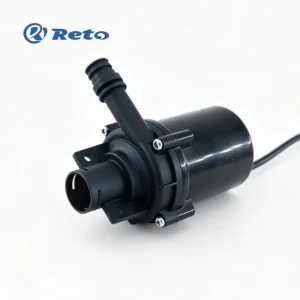
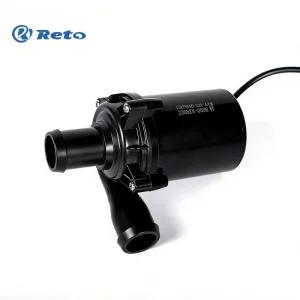
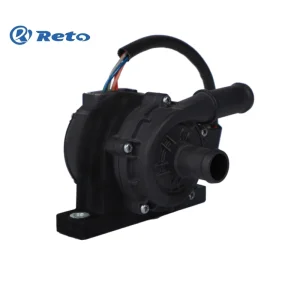
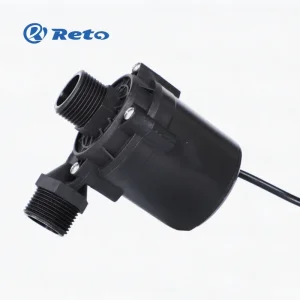
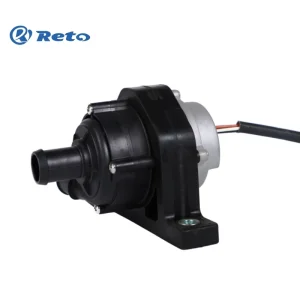
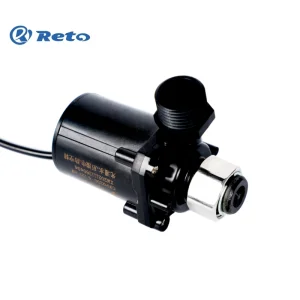
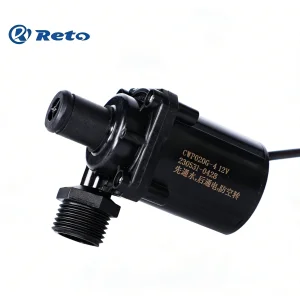
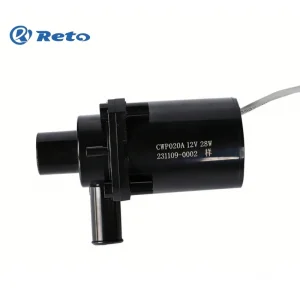
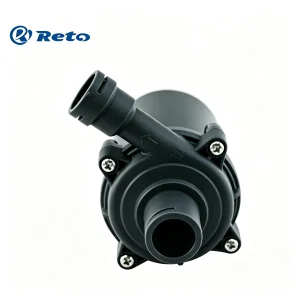
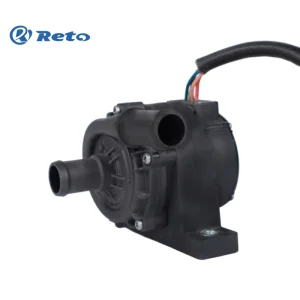
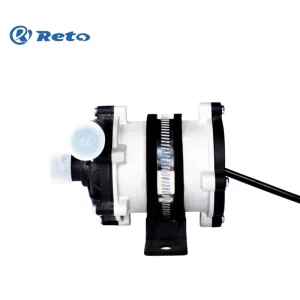
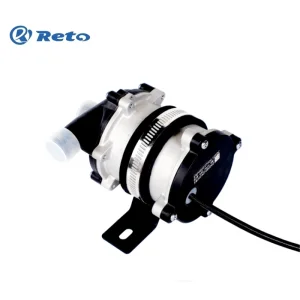
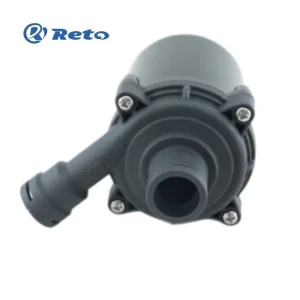
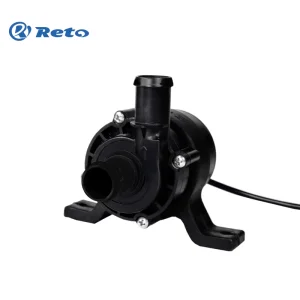
Engineered for instant hot water delivery, low operational acoustic signatures, and 40,000+ hours continuous MTBF under severe thermal cycles.
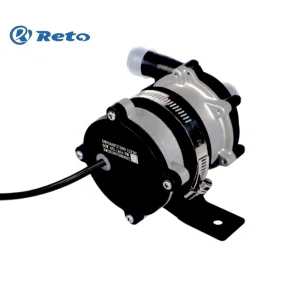
Decarbonization, potable water conservation, and structural energy efficiency mandates are redefining hydraulic circulation architectures.
In modern architectural plumbing, mechanical engineering, and high-performance domestic hot water (DHW) generation, hot water heater recirculating pumps have transitioned from luxury convenience enhancements into mandatory energy-saving and resource-conservation devices. Municipal building codes across North America (such as California Title 24 and ASHRAE Standard 90.1), the European Union’s Energy-related Products (ErP) Directive (EC No 641/2009), and water conservation standards in drought-prone regions worldwide now enforce strict thresholds on hot water delivery latency. Conventional point-of-use discharge without recirculation leads to significant potable water wastage—often ranging between 12,000 to 38,000 liters per household annually—while waiting for thermal equilibrium at distal plumbing fixtures.
To eliminate this systemic inefficiency, tier-1 water heater OEMs, mechanical contractors, and HVAC engineering procurers are aggressively moving away from legacy AC induction, canned-rotor asynchronous pumps toward electronically commutated Brushless DC (BLDC) permanent magnet synchronous motor (PMSM) pumps. These advanced architectures utilize micro-controlled sensorless vector drive algorithms, variable-speed hydraulic impellers, and intelligent closed-loop thermal regulation to deliver instantaneous hot water ("Zero Cold Water" response) while cutting standby thermodynamic losses and electrical power dissipation by up to 75%.
How cutting-edge motor topology, fluid dynamics optimization, and smart material selection resolve chronic circulation failures.
Traditional shaft seals represent the primary failure vector in high-temperature sanitary water pumps. By utilizing canned rotor technology and high-flux Neodymium iron boron (NdFeB) magnetic couplings, our pumps achieve 100% hermetic isolation. The stator coil remains completely dry, encased in epoxy injection molding, totally eliminating moisture ingress and dynamic seal degradation.
Potable hot water carries dissolved calcification, limescale, and low natural lubricity. Our rotating assemblies incorporate diamond-polished high-purity Zirconia (ZrO2) ceramic shafts and carbon-graphite or silicon carbide (SiC) bushings. This ultra-hard tribological pairing minimizes hydrodynamic drag and resists abrasive particulate degradation.
Embedded 32-bit ARM-core microcontrollers orchestrate Field-Oriented Control (FOC) algorithms to continuously modulate pump torque and velocity according to hydraulic system backpressure. Integrated dry-run protection, locked-rotor auto-recovery, over-voltage/current cutoffs, and PWM/0-10V analog speed interface ensure seamless smart-home integration.
| Design Parameters | Advanced China BLDC Recirculating Pump (RETO Platform) | Traditional Canned AC Asynchronous Pump | Standard Brushed DC Booster Pump |
|---|---|---|---|
| Motor Architecture | Electronically Commutated Permanent Magnet (BLDC / PMSM) | Single-Phase Shaded Pole or Split Capacitor AC | Mechanical Carbon Brush Commutated DC |
| Electrical Energy Efficiency | High (η > 68% - 75%), precise load-matched power | Extremely Low (η = 15% - 28%), large rotor losses | Moderate (η = 40% - 55%), friction drag losses |
| Operating Noise Spectrum | 24 – 28 dB(A) at 1 meter; smooth Sine-Wave FOC drive | 38 – 45 dB(A); 50/60Hz electromagnetic low-frequency hum | 48 – 60 dB(A); high brush arcing and commutation rattle |
| Hydraulic Modulating Control | Full closed-loop PWM, 0-10V, LIN, CAN, or smart App integration | Fixed single-speed or coarse 3-speed manual switches | Coarse mechanical voltage throttling |
| Thermal Stagnation Threshold | Rated to 105°C continuous / 125°C intermittent (PPS/PES volute) | Up to 95°C max; prone to motor overheating under low flow | Restricted to <65°C due to brush holder degradation |
| Potable Water Compliance | NSF/ANSI 61, WRAS, ACS, RoHS, REACH food-grade composites | Cast iron bodies prone to rust; brass versions leach traces | Often non-compliant due to carbon dust & copper contact |
Combining cluster-level precision engineering, automated stator winding lines, and rigorous automotive-grade quality standards.
The manufacturing landscape for fluid machinery has evolved dramatically over the past two decades. As the global epicenter of precision electro-mechanical production, China’s industrial ecosystem in Fujian and Guangdong provides an unrivaled synthesis of component vertical integration, advanced material synthesis, and rapid prototyping agility. Rather than serving as basic assembly depots, leading Chinese pump manufacturers operate world-class R&D laboratories, multi-axis automated CNC machining centers, and class-10,000 cleanrooms for microelectronic control assembly.
For international procurers, European boiler manufacturers, and North American plumbing distributors, engaging with high-tech Chinese suppliers like Xiamen Reto Electric Appliances Co., Ltd. (RETO) unlocks substantial competitive advantages:
From injection molding of high-temperature polyphenylene sulfide (PPS) volutes and automated multi-pole stator winding, to surface-mount SMT printed circuit board assembly and robotic dynamic balance calibration, 90% of component value is controlled under one manufacturing roof. This eliminates supply chain vulnerability and delivers superior lot-to-lot consistency.
Drawing on the stringent quality doctrines of automotive thermal management lines, our hot water heater circulation pumps are produced within quality systems certified to IATF 16949, ISO 9001, and verified by TÜV. Key assembly stages undergo 100% pneumatic pressure helium leak testing, automated electrical hi-pot dielectric tests, and dynamic hydraulic P-Q curve verification.
With an on-site R&D team comprising senior motor electromagnetic designers, hydraulic CFD engineers, and embedded firmware architects, custom casing geometries, specialized inlet/outlet unions (G 1/2", G 3/4", NPT), and application-specific communication protocols can move from initial CAD design to functional 3D prototypes in under 15 working days.
Modernizing your supply chain through direct partnership with an integrated Chinese OEM eliminates multi-tiered distributor markups while securing custom proprietary pump platforms. RETO maintains high-volume annual capacity exceeding 2,000,000 units with 100% proprietary patent coverage, shielding your enterprise against IP infringement risks while insulating production schedules against global material bottlenecks.
From tankless gas boilers and solar arrays to luxury smart sanitation and EV battery thermal loops.
Instantaneous tankless heaters demand instantaneous fluid initiation to prevent heat exchanger thermal shock and cold water sandwiches. Our 24V DC brushless recirculation units integrate seamlessly into the water heater chassis, providing auxiliary boosting in low-pressure municipal grids (such as Southeast Asia, Latin America, and high-rise apartments) while orchestrating pre-purge thermal loops so that hot water arrives at the faucet instantaneously without wasting a single drop.
Split pressurized solar collectors and Air-to-Water Heat Pump (AWHP) sanitary loops face extreme fluid temperatures and hydraulic stagnation risks. Engineered with specialized heat-deflecting composite flanges and high-temperature EPDM diaphragms, our solar recirculation pumps withstand continuous fluid exposure up to 105°C and intermittent stagnation up to 125°C without magnet degaussing or structural impeller deformation.
The global surge in intelligent sanitary ware requires compact, whisper-quiet booster pumps capable of taking mains water, passing it through an internal flash-heating core, and ejecting high-pressure spray nozzles with millimeter-accurate pressure regulation. RETO’s 12V/24V micro pumps are the standard choice for tier-1 sanitary brands across Japan, Europe, and China.
Leveraging automotive-grade manufacturing protocols, these same brushless magnetic platforms serve as ultra-reliable coolant circulation pumps for electric vehicle battery packs, high-power DC fast-charging terminals, medical laser chillers, and commercial water-cooled server racks where uncompromised reliability and zero downtime are essential.
A rigorous checklist for evaluating OEM circulation pump tenders across regulatory, hydraulic, and structural vectors.
When selecting a manufacturing partner for domestic or commercial hot water recirculating pumps, procurement engineers must look beyond nominal flow and head metrics. Sourcing managers must conduct comprehensive validation against five core engineering pillars:
Recirculating pumps continually churn drinking water at elevated temperatures. All wetted materials—including the volute casing, impeller, ceramic shaft, O-rings, and magnetic rotor coating—must strictly adhere to international potable water contact standards: NSF/ANSI/CAN 61, WRAS (UK), ACS (France), KTW (Germany), and RoHS/REACH.
In closed-loop return systems, pump sizing must factor in high friction head loss across narrow 1/2" PEX/copper return pipes. The pump's Net Positive Suction Head Required (NPSHr) must sit substantially below the available system head (NPSHa) at peak fluid temperatures (85°C+) to completely eliminate cavitation erosion and impeller pitting.
For installations in humid basements, beneath outdoor boilers, or within damp vehicle chassis, the motor electronics must feature IP68 submersible potting. The integrated driver circuitry must comply with stringent Electromagnetic Compatibility (EMC) regulations: EN 55014-1/2 and CISPR 25, preventing radio interference with household Wi-Fi or vehicle telematics.
The roadmap toward smart IoT ecosystems, self-learning behavioral algorithms, and carbon-neutral heating.
Next-generation pumps are leaving timer-based switches behind. By embedding thermal sensors and tracking resident water consumption patterns over a rolling 14-day window, onboard neural processors automatically activate recirculation only during predicted usage windows, eliminating standing thermal piping losses during night and work hours.
Modern recirculation platforms communicate natively via Modbus-RTU, CANbus, Zigbee, and Matter standards. This facilitates real-time hydraulic telematics, flow error reporting, predictive bearing diagnostics, and effortless integration into whole-house energy management systems (HEMS).
As green building certifications reward Net-Zero homes, wide-input BLDC pump controllers (capable of accepting variable 10V - 36V DC directly from dedicated rooftop photovoltaic panels) are gaining rapid market share, driving daytime recirculation without AC-to-DC inversion losses.
Expert answers addressing integration challenges, custom design specifications, and manufacturing logistics.
Direct manufacturer supply with certified compliance across global market sectors.