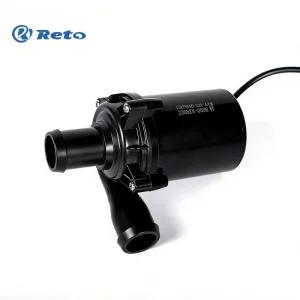
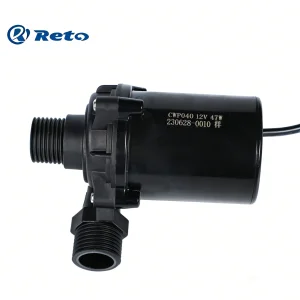
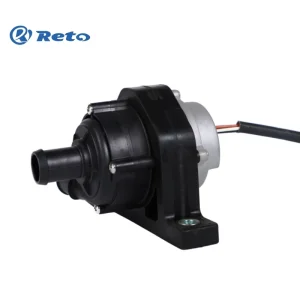
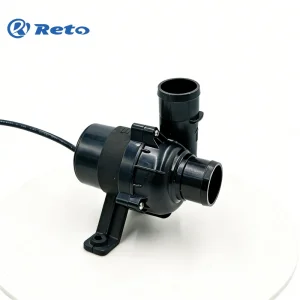
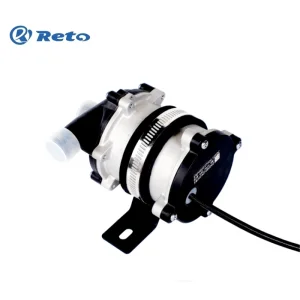
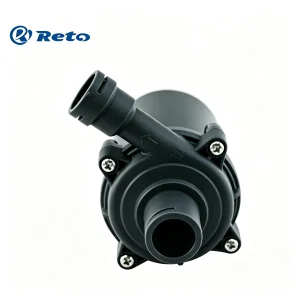
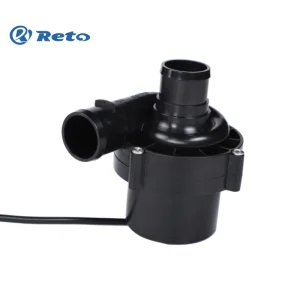
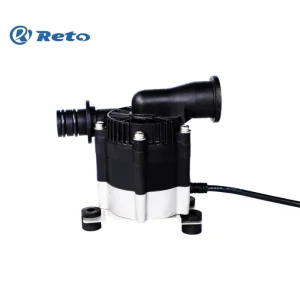
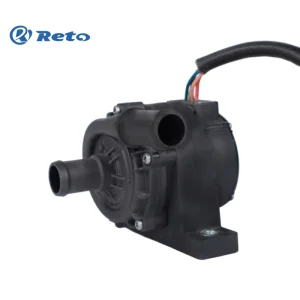
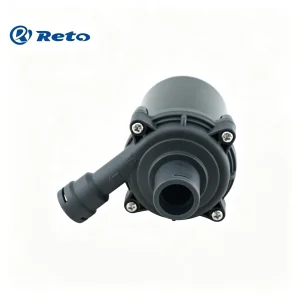
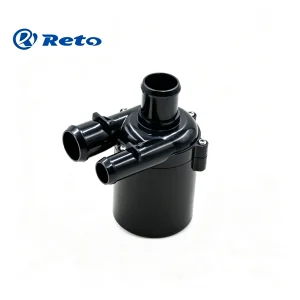
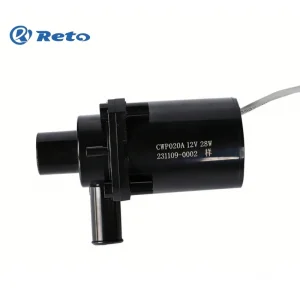
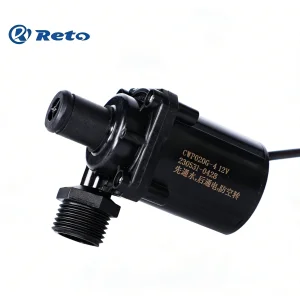
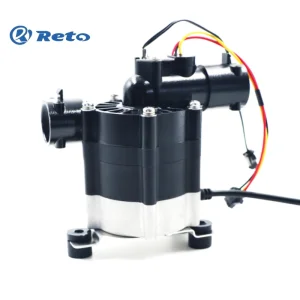
Factory-direct micro and macro water pressure booster units engineered under rigorous IATF 16949:2016 and ISO 9001 quality frameworks.
The global hydronic pumping and pressure management market is witnessing a massive transition driven by rapid urbanization, water scarcity regulations, and structural electrification.
Modern high-rise residential complexes and multi-family dwellings consistently face municipal pressure attenuation, causing intermittent flow at elevated termination points. Traditional centrifugal booster stations exhibit high latency and energy waste, prompting an urgent shift toward distributed, localized intelligent boosting pumps within terminal devices.
Traditional AC asynchronous motors and brushed DC units are rapidly obsolete due to mechanical wear, high electromagnetic emissions (EMI), and low electrical-to-hydraulic efficiency (averaging under 40%). High-efficiency electronically commutated BLDC motors yield efficiency curves exceeding 85%, eliminating brush degradation entirely.
Global markets require zero toxic leaching into drinking water supplies. Sourcing teams demand strict compliance with RoHS, REACH, WRAS, and FDA certifications. Pump volutes, ceramic shafts, and PPS/EPDM wet components must deliver hydrolytic stability across broad thermal spans (-20°C to 105°C).
A technical evaluation of operational parameters illustrates why tier-1 appliance OEMs and plumbing engineering contractors prioritize RETO's magnetic drive BLDC booster platforms.
| Evaluation Parameter | RETO Smart BLDC Micro Booster | Standard Brushed DC Booster | Traditional AC Asynchronous Pump |
|---|---|---|---|
| Mean Time Between Failures (MTBF) | > 25,000 Continuous Hours | 1,500 – 3,000 Hours (Carbon wear) | 8,000 – 12,000 Hours (Bearing failure) |
| Acoustic Emission Profile | ≤ 28 - 35 dB(A) at 1 meter | 50 - 62 dB(A) (Brush arcing) | 45 - 58 dB(A) (50/60Hz line hum) |
| Electrical Energy Efficiency | 82% – 88% Net Efficiency | 35% – 50% Net Efficiency | 40% – 55% Net Efficiency |
| Electromagnetic Interference (EMI) | Negligible (Integrated active filtering) | Severe (High brush sparking arcing) | Moderate (Harmonic line distortion) |
| Dynamic Flow & Speed Modulation | Closed-loop PWM, 0-5V DC, FG signal | Crude voltage regulation | Requires costly external VFD |
| Sealing & Liquid Isolation Structure | Static O-ring magnetic drive, zero leakage | Mechanical seal subject to friction leaks | Dynamic mechanical shaft gland |
From space-constrained smart sanitaryware to heavy-duty thermal fluid loops, our custom hydraulic designs resolve specific fluid delivery hurdles.
Integrated micro boosters supply pressurized water (0.15 - 0.45 MPa) to instant-heating cleansing nozzles and cyclonic tankless flushing bowls. Featuring whisper-quiet sound damping under 30 dB(A), our pumps guarantee continuous bidet comfort even in multi-story residential buildings with low residual pressure.
Overcoming the minimum water flow activation hurdle in tankless and solar hydronic heaters. Featuring intelligent flow switch and Hall-effect sensor integration, the pump instantaneously boosts feed line flow, preventing cold water spikes and burner lockout during simultaneous fixture operations.
Addressing structural drainage limitations located below municipal sewer lines. High-torque BLDC driven macerator pumps with surgical-grade 316 stainless steel vortex blades pulverize sanitary waste and sanitary wipes, delivering exceptional head pressure (>10m lift) to eliminate underground plumbing blockages.
Manufactured under automotive IATF 16949 conditions, our DC coolant circulation pumps provide controlled coolant delivery across EV battery packs, power inverters, and liquid-cooled supercharging cables. Resilient against heavy mechanical vibration and ethylene glycol media degradation.
Ultra-silent, non-inductive hydro-thermal circulation. By deploying specialized high-precision ceramic shafts, double damping sleeves, and sinusoidal FOC commutation, our sub-assembly pump platforms achieve silent bedroom operation (<25 dB(A)), maintaining continuous nocturnal temperature uniformity.
Food-grade certified fluid delivery units engineered for commercial espresso extractors, automated beer keg dispensers, and reverse osmosis (RO) drinking purification appliances. Built from FDA and NSF standard PPS and ceramic components that resist continuous scalding water exposure.
The plumbing booster pump is transforming from a passive electromechanical component into a cognitive, telemetry-connected edge device.
Adoption of 32-bit ARM Cortex processing allows sensorless Field Oriented Control (FOC). Real-time mathematical motor models dynamically adjust torque vectors, mitigating fluid hammer transients and cavitation wear across variable head pressures.
Direct current signature analysis (MCSA) reads micro-fluctuations in phase current. By monitoring hydraulic signature shifts, our smart controllers detect scale deposition, dry-run conditions, and impeller cavitation before mechanical breakdown occurs.
Next-generation hydraulic impellers use computational fluid dynamics (CFD) to achieve 92% hydrodynamic transfer. Low starting torque profiles enable direct DC photovoltaic coupling without power inverter losses.
Replacing standard PPE/PPO plastics with nanocarbon reinforced polyphenylene sulfide (PPS) and high-density silicon carbide (SiC) sleeves. These structural materials ensure 100% rust prevention, 120°C continuous operation, and resistance to scale buildup.
Detailed answers regarding manufacturing certifications, hydraulic customizations, and OEM development protocols.
Xiamen Reto Electric Appliances Co., Ltd. (RETO) operates dual certified production facilities adhering to IATF 16949 and ISO 9001. Unlike standard consumer pump assemblers, our engineering team executes full motor electromagnetic design, mold tooling, PCB surface-mount assembly (SMT), and 100% automated pressure/leak testing in-house, backed by over 100 patents and an annual production capacity surpassing 2,000,000 pump units.
Our high-temperature booster pumps utilize polyphenylene sulfide (PPS) volutes, food-grade fluororubber or EPDM O-rings, and extreme-purity 99% alumina or zirconia ceramic shafts with carbon-graphite or PEEK composite bushings. This static seal, magnetically isolated architecture permits continuous hydronic operations up to 105°C (221°F) without thermal warpage, bearing seizure, or toxic degassing.
Yes. We provide complete OEM/ODM hydraulic customization. Our engineering team routinely alters stator winding architectures for 12V, 24V, 36V, or 48V DC, incorporates LIN-bus, CAN-bus, PWM variable speed governance, or FG tachometer feedback, and tailors inlet/outlet thread geometries (G, NPT, quick-connect barb) to integrate cleanly within restricted appliance envelopes.
Every single unit undergoes 100% comprehensive testing along our automated assembly cells: high-potential (Hi-Pot) insulation checks, helium or pneumatic seal leak testing, operating sound spectrum verification in anechoic chambers, and automated hydraulic P-Q curve plotting. Furthermore, batch samples undergo continuous endurance tests including 100,000 thermal cycle shocks, salt spray exposure, and continuous dry-run protection validation.
High-head, high-efficiency BLDC recirculation and maceration products engineered for demanding consumer and commercial applications.