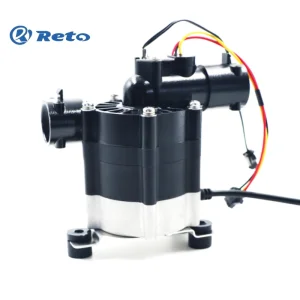
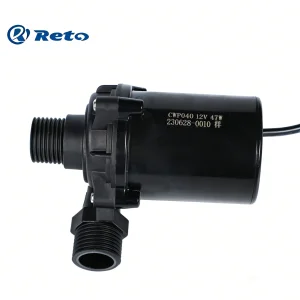
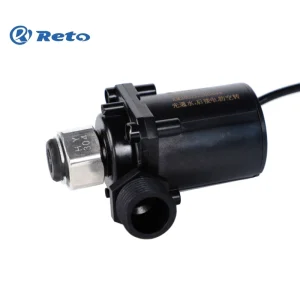
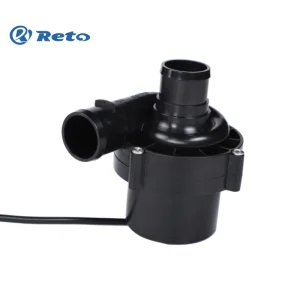
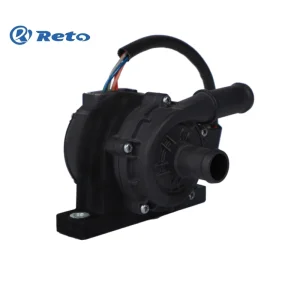
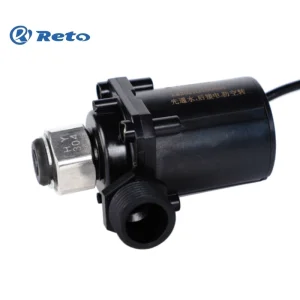
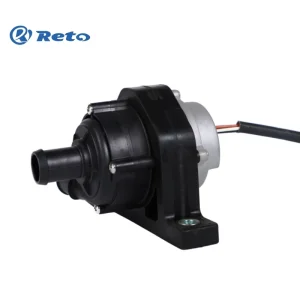
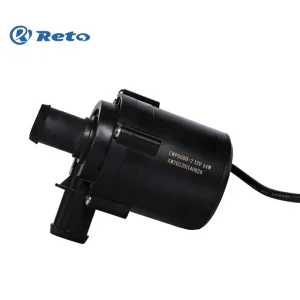
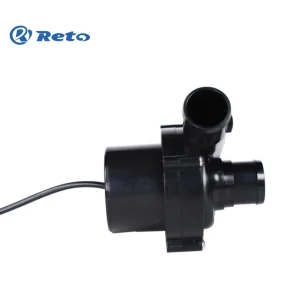
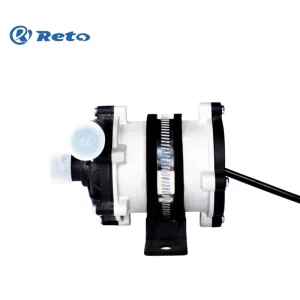
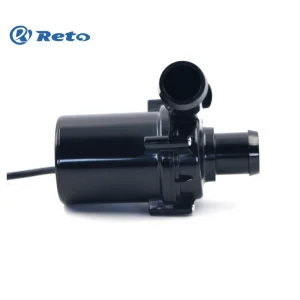
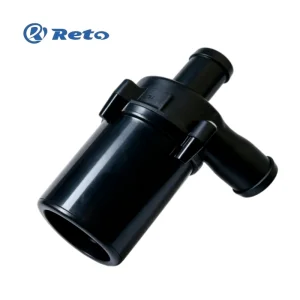
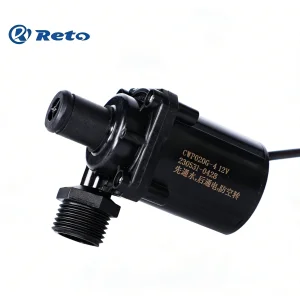
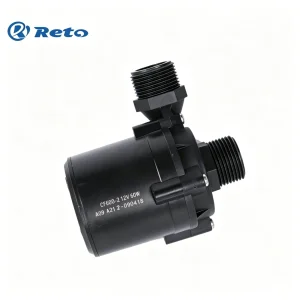
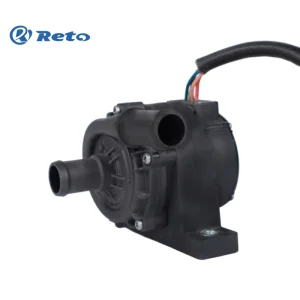
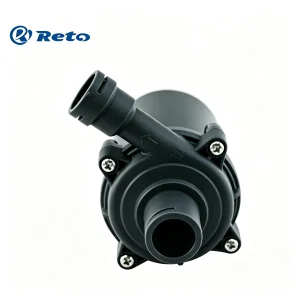
Explore Tier-1 engineered brushless DC pump configurations designed for severe thermal cycles, low ambient acoustic envelopes, and strict global potable water standards.
A technical assessment of energy transition directives, micro-acoustics, and hydraulic modernization across major global sanitary heating markets.
The global water heating architecture is undergoing an aggressive structural transition from legacy AC-induction powered, high-loss circulation systems toward intelligent, digitally controlled brushless DC (BLDC) water heater pump platforms. Driven by the European Union’s Energy-related Products (ErP) Directive, North America’s revised DOE and ENERGY STAR® Version 5.0 specifications, and the rapid adoption of zero-cold-water combi boilers across East Asia, original equipment manufacturers (OEMs) face mounting demands to eliminate parasitic electrical consumption, suppress acoustic resonance beneath 28 dBA, and withstand continuous thermal hydraulic stress up to 105°C (221°F).
Historically, domestic hot water (DHW) recirculators and inline booster pumps relied on shaded-pole or permanent-split capacitor (PSC) AC induction motors. These legacy architectures suffer from thermal dissipation inefficiencies (rarely exceeding 25–35% electrical-to-hydraulic efficiency), shaft seal leakage over extended thermal cycles, and noticeable mechanical vibration that propagates through residential and commercial copper or PEX plumbing. In contrast, modern custom BLDC pumps utilize electronically commutated magnetic-rotor architectures featuring canned wet-rotor cavities, food-grade ceramic bearings, and polyphenylene sulfide (PPS) engineering plastics, delivering electrical-to-hydraulic conversion efficiencies in excess of 65–75% while scaling footprint down by over 40%.
Increasing retrofits of tankless gas and hybrid heat pump water heaters (HPWH) require dynamic 12V/24V DC booster pumps that integrate with building management systems, eliminating wait times for hot water while meeting California Title 24 low-flow compliance.
Strict energy efficiency index (EEI ≤ 0.20) requirements govern hydronic circulation. Custom water heater pumps must support PWM intelligent speed modulation, withstand anti-freeze glycol additives, and demonstrate lead-free sanitary certification (WRAS/ACS).
High-density residential high-rises suffer from severe water pressure drops. In tropical and arid zones (Malaysia, India, GCC), 12V/24V high-pressure solar circulation and shower boosting pumps must operate reliably in high-salinity and calcified water environments.
A granular look inside RETO's proprietary canned motor isolation, advanced magnetic levitation dampening, and intelligent control algorithms.
Traditional booster pumps incorporate carbon-ceramic dynamic face seals that inevitably fatigue, harden, and leak under continuous hot water thermal cycling (60°C to 95°C). RETO engineers eliminate mechanical shaft seals entirely. The stator coil is encased within high-performance, injection-molded carbon-fiber-reinforced PPS-GF40, separated from the wet fluid cavity by an ultra-thin non-magnetic 316L stainless steel or engineering ceramic sleeve. The permanent magnet rotor runs directly submerged in the pumped fluid, completely eliminating water ingress into motor windings.
Acoustic performance inside domestic settings is paramount. Where square-wave or trapezoidal commutation generates abrupt torque ripple and audible high-frequency hum, RETO embeds modern 32-bit MCU-driven Field Oriented Control (FOC). By feeding pure sinusoidal currents to the 3-phase stator coils, harmonic torque ripples are suppressed below 2.5%, allowing the pump to operate at full hydraulic duty under 28 dBA. Ceramic shafts paired with zirconia or silicon carbide thrust bushings minimize boundary layer friction and self-lubricate via the water stream.
When pumping fluids approaching boiling point (such as closed-loop solar thermal circuits reaching 100°C–120°C), local pressure drops near the impeller eye frequently induce destructive cavitation. RETO’s computational fluid dynamics (CFD) optimized 3D backward-curved impellers maintain a minimum Net Positive Suction Head Required (NPSHr) curve, preventing micro-implosions and surface pitting while extending continuous operation well past 35,000 hours.
Modern smart home hot water boilers demand digital interconnectivity. RETO BLDC water heater pumps feature integrated pulse-width modulation (PWM) speed regulation (0–10V / 100Hz–10kHz), Frequency Generator (FG) speed tachometer outputs, dry-run protection algorithms, thermal cut-off auto-recovery, and reverse polarity safeguards that seamlessly interface with smart water heater master controllers.
A rigorous specification matrix comparing RETO Brushless DC technology against conventional brushed DC and legacy AC induction circulation pumps.
| Evaluation Parameter | RETO Advanced Brushless DC (BLDC) | Conventional Brushed DC Pump | Standard AC Induction Circulator |
|---|---|---|---|
| Operating Service Life (MTBF) | 30,000 – 40,000 Hours Limited only by ceramic bearing wear. |
1,500 – 3,500 Hours Premature failure due to carbon brush erosion. |
15,000 – 20,000 Hours Capacitor degradation & thermal burnout. |
| Acoustic Signature (dB @ 1m) | ≤ 26 – 28 dBA Ultra-smooth FOC sinusoidal commutation. |
42 – 52 dBA Mechanical brush friction and commutator chatter. |
35 – 45 dBA 50/60 Hz magnetostrictive hum. |
| Wire-to-Water Efficiency | 65% – 78% High energy efficiency, minimal parasitic draw. |
35% – 45% Contact resistance and copper heat loss. |
25% – 38% High rotor slippage losses. |
| Thermal Fluid Endurance | Continuous: 95°C / Peak: 105°C Class H insulation with PPS encapsulation. |
Max 60°C Brush friction generates extreme heat. |
Continuous: 90°C Bulky metal casing required for heat sink. |
| Speed & Flow Control | Precise PWM (0–100%) & 0–5V analog Real-time FG tachometer feedback. |
Voltage regulation only; poor low-end torque. | Fixed 3-speed manual dial or costly external VFD. |
| Potable Water Compliance | NSF/ANSI 61, WRAS, RoHS, REACH Lead-free, non-toxic PPS wet chamber. |
Risk of carbon particulate contamination. | Cast iron volutes prone to rust; bronze is costly. |
How RETO custom water heater pump architectures solve real-world fluid dynamics across diverse global appliance topologies.
In modern zero-cold-water tankless gas heaters, cold water trapped in long supply lines causes delay and thermal shock. RETO 12V and 24V hot water return pumps dynamically fire upon sensing tap demand or programmable schedules, cycling standing water through the heat exchanger so hot water is delivered in seconds without pipe burst risks.
Roof-mounted solar thermal systems subject fluid circuits to wide ambient temperature swings (-30°C in winter freeze zones to +110°C during solar stagnation). RETO’s specialized DC solar recirculation pumps handle high system static pressures (up to 10 Bar) and glycol mixtures with zero leakage and reliable self-venting design.
Heat pump water heaters require constant, precisely measured condenser circulation to optimize Coefficient of Performance (COP). Equipped with PWM speed modulation, RETO BLDC pumps dynamically throttle flow rates against delta-T feedback from the refrigeration loop, boosting overall appliance seasonal efficiency ratings.
In municipal systems with low baseline head pressure (< 1.5 Bar) or top-floor condominium layouts, taking a shower triggers sudden pressure drops when other appliances open. RETO inline centrifugal booster pumps sense minimal flow (as low as 0.6 L/min) and instantly boost line pressure by up to 1.2–2.0 Bar silently and steadily.
Mobile off-grid heating systems require native DC battery operation (12V / 24V / 36V) without power inverter losses. RETO DC pumps feature rugged vibration-resistant mounting brackets, low power consumption (< 25W), and compact footprints suited to tight under-bench RV hydronic boilers and marine calorifiers.
How RETO’s Xiamen manufacturing hub combines engineering speed, localized raw material clusters, and IATF 16949 automotive discipline for global OEM partners.
In today's unpredictable global supply chain environment, equipment brands cannot afford unexpected lead time spikes, quality inconsistencies, or unmitigated component shortages. Based in the advanced industrial port city of Xiamen, Fujian Province, Xiamen Reto Electric Appliances Co., Ltd. leverages the world’s most sophisticated electromechanical and sanitary ware manufacturing ecosystem.
With an in-house tooling division, precision multi-cavity injection molds, and dynamic hydraulic test stands, custom volute or port redesigns transition from CAD to functional DVT prototypes in 14 days, reducing new product development time by up to 60% compared to Western counterparts.
From high-grade neodymium (NdFeB) magnetic powder and polyphenylene sulfide (PPS) polymers to high-precision ceramic shafts, key upstream materials are sourced within a 150 km cluster. This geographic proximity protects our clients from global shipping delays and price swings.
By enforcing IATF 16949 automotive quality management across all sanitary and water heater pump production lines, every pump undergoes 100% End-Of-Line (EOL) testing: pneumatic chamber seal decay checks, dynamic flow-versus-head verification, high-voltage dielectric tests, and automated sound chamber validation.
Eliminating regulatory entry barriers with comprehensive third-party lab documentation, certified cleanroom manufacturing, and non-toxic food-grade materials.
Materials contacting potable water are chemically certified lead-free with zero hazardous leachables, ensuring full compliance for sale across North America.
European sanitary approvals ensure our wet components, EPDM O-rings, and ceramic assemblies meet strict drinking water regulations in the UK, France, and Germany.
Full electromagnetic compatibility (EMC) testing ensures zero line interference with nearby appliance electronics, alongside strict adherence to environmental chemical restrictions.
Regular factory surveillance audits by TÜV Rheinland verify traceability from incoming raw batch resin to finished packaged hydraulic assemblies.
Review our specialized product portfolio covering intelligent sanitary fixtures, high-temperature automotive thermal circuits, and solar water heating loops.
Provide our senior application engineering team with these technical parameters to receive an optimized proposal and rapid DVT sample units.
Flow Rate (Q): Specify required nominal flow (L/min or GPM) and peak circulation demand.
Head Pressure (H): Define static head loss (meters or PSI) across the boiler heat exchanger, flow sensor, and plumbing loop.
System Working Pressure: Maximum static bar rating (e.g. 6 to 10 Bar).
Fluid Temperature: Continuous operating temperature (e.g., 65°C, 85°C, or 105°C peak).
Fluid Composition: Potable drinking water, soft treated water, or glycol-water antifreeze ratios (up to 50/50).
Ambient Envelope: Enclosure temperature inside the water heater cabinet.
Supply Voltage: Rated DC bus (12V, 24V, 36V, or 48V DC, with operating voltage window).
Speed Modulation: PWM frequency (100Hz–10kHz), 0–5V analog, or fixed speed.
Output Telemetry: FG tachometer pulse per revolution for flow rate monitoring and dry-run fault detection.
Port Fittings: Thread standard (G 1/2", G 3/4", NPT), barbed connections, or snap-fit quick-connects.
Orientation: In-line, 90-degree elbow, or custom manifold integration.
Acoustic Limit: Maximum decibel target (e.g., ≤ 28 dBA @ 1m).
Sealing Class: IP67 or IP68 full hermetic resin potting for condensation-heavy environments.
Fire Retardancy: UL94-V0 rated plastic casing materials for residential appliance safety.
Certifications Needed: CE, NSF/ANSI 61, WRAS, ACS, RoHS, or REACH.
Operating Regime: Continuous 24/7 duty vs intermittent demand cycles.
Target Lifespan: 20,000, 30,000, or 40,000 continuous hours.
Safety Controls: Stall protection, over-current cut-off, and thermal runaway auto-shutoff.
Clear, engineering-backed answers addressing the most common design, certification, and procurement questions encountered by water heater OEMs.
Collaborate directly with our Xiamen engineering team. From custom 3D step files and rapid prototype evaluation to full-scale IATF 16949 mass production, RETO delivers reliable fluid dynamics tailored to your technical requirements.