Engineered for instant domestic hot water (DHW), high-lift sanitary pressure stabilization, and continuous-duty hydronic systems.
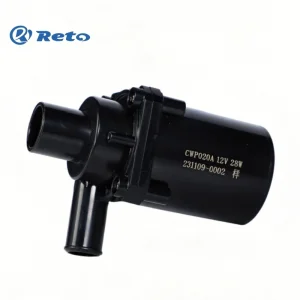
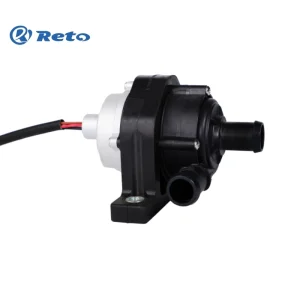
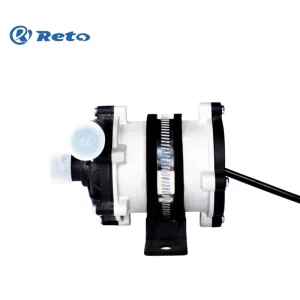
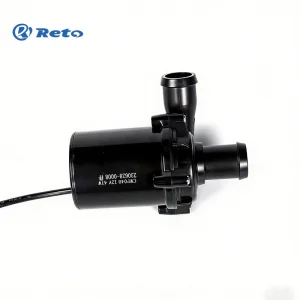
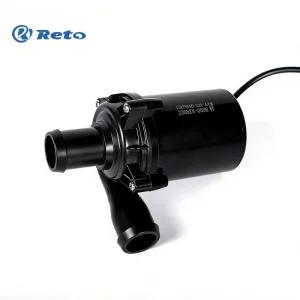
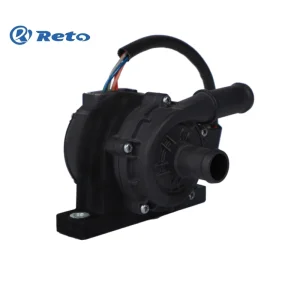
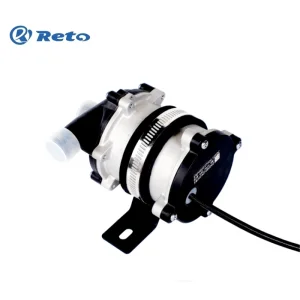
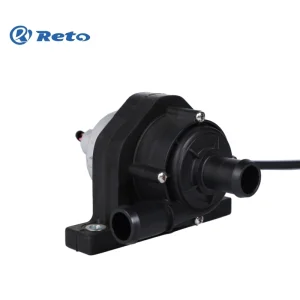
Analyzing geopolitical energy transitions, strict decarbonization policies, and the rapid micro-electrification of domestic sanitary systems.
Around the world, mandates like the EU Ecodesign Directive (ErP) and North American ASHRAE 90.1 standard are phasing out asynchronous AC motor pumps. Modern hydronic infrastructure demands intelligent BLDC variable-speed canned-rotor systems that slash electrical parasitic loss by up to 75% in continuous recirculation loops.
The switch from fossil-fuel combustion boilers to monobloc and split residential heat pumps (ASHP) requires precision fluid management. Domestic hot water pumps must now interface directly with complex inverter circuits, managing fluid viscosity variations across wider operating temperatures without cavitation.
Global municipal frameworks increasingly penalize point-of-use domestic water waste. A dedicated high-efficiency BLDC hot water recirculation pump maintains immediate line pressure and thermal readiness at taps, conserving up to 12,000 gallons of potable water per household annually.
Modern multi-family residential developments demand almost silent operation. Conventional pump vibration transferred into architectural framing is no longer acceptable. Magnetic-drive canned BLDC pumps suppress operational noise to below 28 dBA, meeting rigorous modern building acoustic thresholds.
Targeted pump platforms designed for thermal, mechanical, and regulatory conditions across key domestic environments.
Compact, high-flow booster modules solve flow fluctuation issues in flash-fired gas units. Embedded PWM speed governance allows the pump to react dynamically to upstream pressure drops, eliminating sudden shower temperature shifts without stalling.
Closed-loop residential solar thermal loops experience high stagnation temperatures and seasonal freeze variations. Our wide-voltage 12V/24V solar DC pumps handle glycol mixtures smoothly while drawing directly from PV arrays or backup batteries.
Modern air-source heat pump domestic hot water systems require steady flow rates through tight plate heat exchangers. High hydraulic efficiency reduces motor heating, maintaining high Seasonal Coefficient of Performance (SCOP) ratings.
Modern smart toilets demand immediate, dynamic high-pressure flushing and precise hygienic bidet spray control from compact housings. Brushless DC pump cores maintain strong wash pressure even in high-rise buildings with low municipal feed pressure.
Recreational vehicles, expedition yachts, and off-grid tiny homes require 12V/24V hot water loops capable of handling road vibration, supply voltage swings, and frequent dry start scenarios during winterization cycles.
Closed circulation sleep surfaces and small radiant floor zones demand zero vibration and absolute seal integrity over years of nightly continuous operation. Ceramic bearings guarantee silent run times exceeding 30,000 hours.
Understanding the electrical, mechanical, and operational advantages of specified BLDC canned-rotor pumps over conventional brushed and AC induction solutions.
| Evaluation Parameter | RETO Advanced BLDC Pump Platform | Conventional Brushed DC Pump | Legacy AC Induction Circulator |
|---|---|---|---|
| Motor Commutation | Electronic Solid-State (Microcontroller) | Mechanical Carbon Brushes & Commutator | Induction Stator Field (Line Frequency) |
| Operating Service Life | 30,000 to 50,000+ Continuous Hours | 1,500 to 3,000 Hours (Brush Limited) | 15,000 to 25,000 Hours (Thermal Limited) |
| Acoustic Emission Level | ≤ 26 – 32 dBA (Near-Silent Fluid Motion) | 45 – 60 dBA (Brush Arcing & Friction) | 38 – 48 dBA (50/60Hz Mechanical Hum) |
| Electrical Energy Efficiency | High (Up to 85% Motor Efficiency) | Moderate (35% – 50% Due to Drag) | Low to Moderate (20% – 45% Efficiency) |
| Electromagnetic Interference (EMI) | Negligible; Complies with Automotive CISPR 25 | High Spikes Caused by Brush Arcing | Low High-Frequency Spikes; High Phase Shift |
| Intelligent Control Profiles | Full PWM, 0-10V Analog, FG Feedback | Simple On/Off; Rough Voltage Throttling | Fixed Single-Speed or Coarse Step Switch |
| Dry-Run & Stall Diagnostics | Built-In Smart Firmware Cutoff Defense | None; Rapid Armature Burnout Risk | Thermal Overload Switch (Delayed Reaction) |
How Xiamen Reto Electric Appliances Co., Ltd. combines localized supply clusters, automotive-standard automated production, and engineering experience.
Situated in the advanced manufacturing hub of Xiamen, Fujian, RETO leverages rapid-access supply chains for high-grade raw polymers, neodymium magnetic materials, automated copper winding, and precision injection tooling. Sourcing cycles remain resilient against global logistics disruptions.
Unlike basic appliance assembly shops, RETO operates automated and semi-automated production lines under the IATF 16949 quality system. Every production batch undergoes automated optical inspection (AOI), digital winding checks, dynamic balancing, and pressure decay leak tests.
Supported by 10+ senior engineers with 10+ years of dedicated experience in electromagnetic circuits, fluid dynamics, and embedded systems. We use advanced CFD software to optimize hydraulic impellers and build tooling in-house, compressing custom OEM development timelines.
Every pump platform undergoes rigorous qualification before market launch. Our testing labs run accelerated lifetime tests under thermal shock, dry-run endurance, hydrostatic pressure bursts, saline fog corrosion, and real acoustic chamber benchmarking.
How RETO is combining smart IoT integration, predictive diagnostics, and advanced eco-friendly materials into upcoming domestic fluid platforms.
Future iterations of our BLDC domestic hot water pumps feature integrated LIN-bus and Modbus protocol chips. This enables direct communication with central home energy management systems (HEMS), matching pump circulation cycles to real household occupancy patterns.
Using sensorless ripple current analysis on the motor driver, our latest firmware can detect subtle hydraulic drag changes caused by mineral scaling or cavitation bubbles, alerting homeowners and technicians before pump failure occurs.
As international potable water standards tighten regarding lead leaching (NSF/ANSI 61 and NSF 372), RETO is transitioning pump wet-end lines to bio-derived polyphenylene sulfides (PPS) and high-density, low-friction ceramics for longer life and easier end-of-life recycling.
Audited systems and compliant components streamline regional market certifications for your finished heating and sanitary appliances.
Full conformance with CE, Low Voltage Directive (LVD), and Electromagnetic Compatibility (EMC) regulations. Construction materials comply with stringent RoHS and REACH environmental guidelines.
IATF 16949 certification ensures rigorous Advanced Product Quality Planning (APQP), Failure Mode and Effects Analysis (FMEA), and standard Production Part Approval Processes (PPAP) on OEM projects.
Component layouts and insulation systems are designed to simplify UL 778, CSA 22.2, and NSF potable water compliance for finished appliances distributed across the United States and Canada.
Audited by TÜV Rheinland to verify structural durability, electrical safety, insulation resistance, and factory production quality systems.
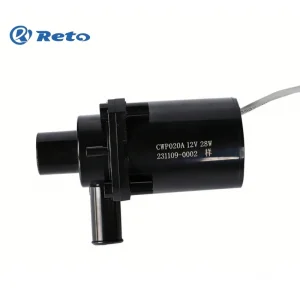
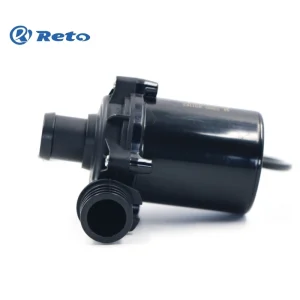
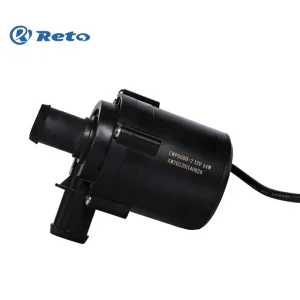
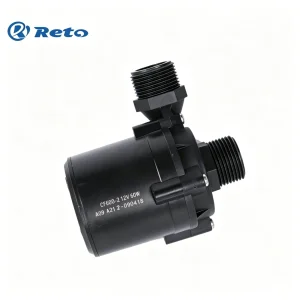
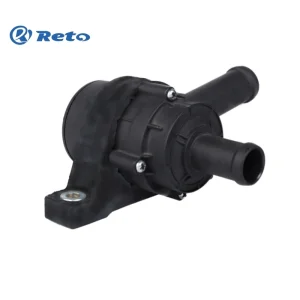
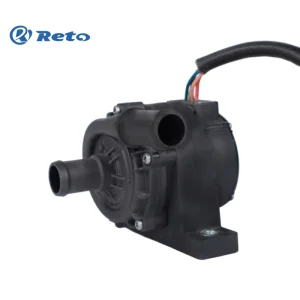
Explore our full range of brushless DC booster pumps, EV thermal modules, inline circulation units, and compact sanitary pumps.
Detailed technical, compliance, and customization answers for mechanical engineers, sourcing directors, and appliance OEM design teams.
To provide a validated engineering proposal, our R&D team needs: (1) Operating fluid medium and sustained temperature range (e.g., pure water or glycol mix up to 100°C); (2) Target hydraulic duty point specifying flow rate (L/min or GPM) at rated dynamic head pressure (meters or PSI); (3) Input supply voltage (12V, 24V, 48V DC, or AC-DC rectified) and max allowable current draw; (4) Control interface requirement (fixed speed, PWM variable frequency, 0-5V analog, or FG speed tachometer feedback); (5) Mechanical spatial constraints, port dimensions (threads, barb, or push-fit), and plumbing orientation; (6) Target operational noise envelope in dBA; and (7) Regional certification standards required for your target market (CE, UL, WRAS, RoHS, REACH).
Brushless DC pumps eliminate mechanical carbon brushes and induction phase slip. This delivers three core advantages: Efficiency: BLDC motors use up to 70% less energy than standard AC motors, easily satisfying European ErP energy benchmarks. Acoustics: Electronic commutation avoids the low-frequency hum of 50Hz/60Hz AC grids, keeping operating sound levels down to 26–28 dBA. Control Precision: Microcontroller-driven motors allow direct speed adjustments via software, preventing temperature cycling and reducing stress on upstream heat exchangers.
Domestic hot water loops accelerate calcium carbonate precipitation (limescale) and thermal material degradation. RETO addresses this with: (1) Canned-rotor magnetic drives that seal the stator away from hot system fluid without dynamic shaft seals that could dry out; (2) High-purity zirconia ceramic shafts paired with carbon-graphite or precision composite bushings, resisting abrasion and mineral adhesion; (3) Reinforced polyphenylene sulfide (PPS) casings that maintain dimensional stability and prevent impeller binding at continuous fluid temperatures up to 100°C.
RETO operates automated and semi-automated assembly lines in Xiamen, producing more than 2 million pump units annually. Production is managed under IATF 16949 (automotive tier-grade quality) and ISO 9001 systems, verified by TÜV Rheinland. Key quality checkpoints include 100% automated optical inspection, stator surge tests, dynamic micro-balancing, high-pressure leak testing, and automated performance logging for every production run.
Yes. OEM and ODM partnerships make up over 70% of our business. With more than 10 senior engineers on staff, we offer full design support: custom hydraulic chamber modeling, specialized port orientations, custom bracket tooling, tailored wire harnesses, and dedicated microcontroller firmware routines (such as soft-start ramping, custom dry-run shutoff timers, and PWM calibration profiles).