Precision-manufactured BLDC booster, circulating, and thermal management pumping units built under strict IATF 16949 and ISO 9001 quality infrastructure.
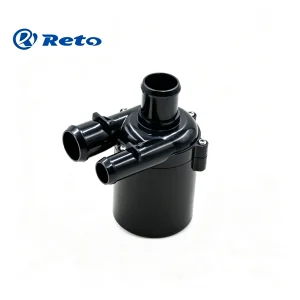
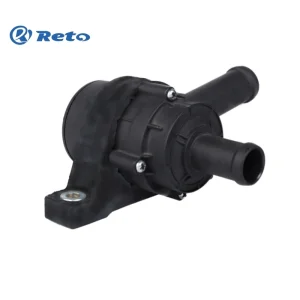
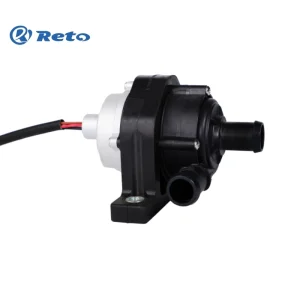
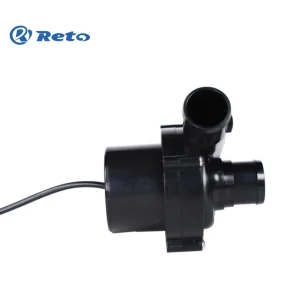
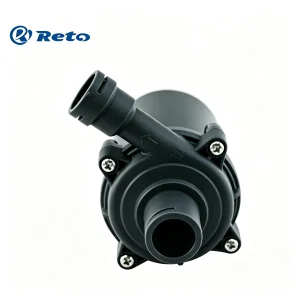
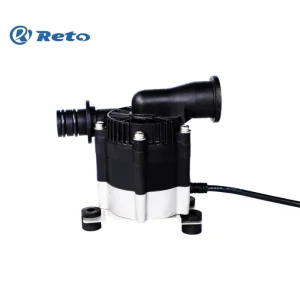
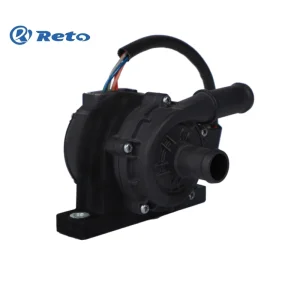
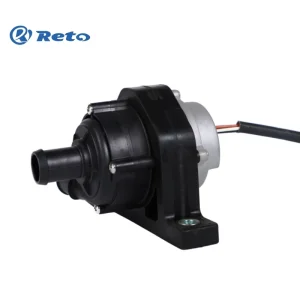
The global shower pressure booster pump market is experiencing a profound technological transition away from traditional, bulky AC induction pumps toward highly compact, intelligent Brushless DC (BLDC) booster systems. Rapid urbanization, the expansion of high-rise multistory residential buildings, aging municipal water infrastructures, and strict flow-rate regulations (such as EPA WaterSense and EU Ecodesign Directives) have transformed domestic water pressure augmentation from an afterthought into a critical engineering discipline.
In modern multi-family apartments, high-end hospitality complexes, and off-grid residential installations, incoming municipal pressure often falls below the critical threshold of 0.15–0.25 MPa (1.5–2.5 bar) required to trigger contemporary thermostatic shower valves and instantaneous gas/electric tankless water heaters. Without consistent upstream dynamic pressure, users encounter severe thermal fluctuations, scalding hazards, and inadequate hydro-massage flow rates.
Historically, residential booster pumps operated on brushed commutators or asynchronous AC single-phase induction motors. These legacy architectures presented chronic design vulnerabilities: high decibel levels (exceeding 60–68 dBA), aggressive transmission vibration through residential wall studs, excessive power consumption, and mechanical shaft seal friction leading to early leakage.
Leading Chinese booster pump manufacturers have spearheaded the transition to magnetic-drive, seal-less, wet-rotor BLDC architectures. By isolating electronic stators within high-grade polyphenylene sulfide (PPS) injection-molded chambers and coupling torque through rare-earth neodymium (NdFeB) magnetic fields, contemporary booster pumps achieve zero-leakage reliability, ultra-quiet running (sub-30 dBA), and continuous duty ratings exceeding 25,000 to 50,000 operational hours.
Combining vertical supply cluster synergies, high-precision automated winding, and stringent automotive-tier quality management to deliver unmatched global competitiveness.
China's coastal manufacturing hubs (notably in Fujian, Zhejiang, and Guangdong) concentrate 92% of the component supply chain within a 50-kilometer radius. Raw magnetic alloys, precision ceramic shafts (Zirconia and Alumina), engineering polymers (PPS, PPE+GF), PCB micro-assemblies, and silicone damping grommets are integrated with real-time just-in-time (JIT) agility, compressing sample-to-production cycles down to 14 days.
Leading Chinese suppliers leverage crossover production methodologies perfected in the electric vehicle (EV) sector. Utilizing IATF 16949 management frameworks, stator coils undergo multi-axis CNC automated needle winding, vacuum epoxy potting to prevent moisture-induced insulation breakdown, and automated optical inspection (AOI) ensuring micro-soldering fidelity on every PCB controller.
Tier-1 Chinese factories engineer products designed from inception to meet strict potable water and consumer appliance standards. This includes complete regulatory documentation for CE, RoHS, REACH, WRAS (Water Regulations Advisory Scheme, UK), NSF/ANSI 61/372 (drinking water health effects, USA), and TÜV certifications, eliminating trade barriers for multi-market distribution.
Comparative engineering breakdown showing why global sanitaryware and water heater OEMs are standardizing on Brushless DC architectures.
| Design Criteria | Smart Brushless DC (BLDC) Booster | Conventional AC Peripheral Pump | Brushed Diaphragm Pump |
|---|---|---|---|
| Hydraulic Efficiency (Wire-to-Water) | 65% – 78% (High Efficiency) | 28% – 42% (High Thermal Loss) | 40% – 50% (Mechanical Loss) |
| Acoustic Sound Level (at 1 Meter) | 25 – 32 dBA (Whisper Quiet) | 55 – 68 dBA (High Humming / Resonant) | 62 – 75 dBA (Pulsating Hammering) |
| Motor Speed Regulation | Continuous Stepless PWM / VFD | Fixed RPM (50Hz / 60Hz bound) | Limited On/Off Duty Cycling |
| Shaft & Bearing Design | High-Purity Zirconia Ceramic / Graphite | Carbon Steel / Bronze Bushing | Mechanical Cam & Piston Seals |
| Leakage Risk Profile | Zero (Canned Magnetic Drive, Wet Rotor) | Medium-High (Mechanical Lip Seal Wear) | High (Diaphragm Fatigue Cracks) |
| Operational Safety Voltage | 12V / 24V / 36V SELV (Extra-Low Safe Voltage) | 110V / 230V Mains (Shock Hazard) | 12V – 24V DC |
| Continuous Duty Lifecycle (L10) | > 30,000 Hours Continuous | 8,000 – 12,000 Hours | 1,500 – 3,000 Hours (Brush Burnout) |
Engineered for diverse global hydraulic challenges, ranging from domestic hot water recirculation to mobile off-grid thermal loops.
In mid-to-high-rise residential buildings, peak evening usage draws down municipal pressure, leaving upper-floor showers with trickling flow. In-line BLDC booster pumps installed immediately ahead of the thermostatic mixer provide an instant 0.8 to 1.5 bar differential boost, restoring robust cascade spray patterns without shaking connecting copper or PEX tubing.
Tankless heaters require a strict minimum threshold flow rate (typically 2.0 to 3.0 L/min) to engage the flow sensor and ignite the burner. In low-pressure regions like Southeast Asia, Latin America, and southern Europe, our 24V/36V booster pumps integrate seamlessly with flow-switch triggers, ensuring instant heater ignition and zero flame-out stalls.
Recreational vehicles, yacht cabins, and eco-resorts depend on 12V or 24V DC battery banks and gravity-fed water tanks. Miniature BLDC booster pumps deliver silent, constant-pressure performance without draining battery reserves, running happily off solar-charged lithium batteries with negligible electromagnetic interference (EMI).
Integrated intelligent toilets, heated bidet seats, and hydrotherapy showers demand hyper-compact footprints capable of fitting into narrow ceramic cavities. Our specialized sub-compact BLDC models integrate directly into high-end sanitaryware, maintaining steady pulsing or cascading pressure regardless of external plumbing fluctuations.
How Chinese engineering institutes and smart factories are pioneering closed-loop sensing, noise cancellation, and energy reclamation.
Modern booster pumps are abandoning square-wave controllers in favor of advanced Field-Oriented Control (FOC) vector algorithms. By measuring stator current with micro-second precision, the internal MCU modulates magnetic flux smoothly, eliminating harmonic acoustic hum, lowering startup inrush currents, and optimizing torque efficiency across dynamic flow variations.
Rather than relying on mechanical paddle switches prone to calcification and scale jamming, new-generation booster pumps integrate solid-state piezoresistive pressure sensors and Hall-effect digital flowmeters. The onboard logic executes automated dry-run protection, anti-cycling detection (leak alarms), and automatic anti-seize purging cycles during long periods of non-use.
By simulating turbulent boundary layers and cavitation dynamics in high-speed 3D CFD models, Chinese hydraulic engineers have reshaped centrifugal closed impellers. The backward-curved blade geometry optimizes fluid discharge trajectories, suppressing vortex cavitation noise and lifting wire-to-water hydraulic conversion efficiency past 75%.
When selecting and commissioning a custom shower pressure booster pump program with a Chinese manufacturing partner, global sourcing teams and system engineers must define target parameters across several interrelated mechanical, electrical, and regulatory domains:
1. Target Q-H Curve Profiling: Define the optimal operating point (Duty Point) rather than merely maximum flow ($Q_{max}$) or shut-off head ($H_{max}$). For standard domestic showers, a typical nominal duty point is 8–12 L/min at 1.0–1.2 bar differential head.
2. Medium Temperature Range: Continuous shower boosting spans ambient cold (15°C) to scalding hot domestic recirculation (up to 85°C–100°C). Impeller materials, seal O-rings (Food-Grade EPDM vs. FKM Viton), and thermal expansion tolerances of the ceramic shaft assembly must be rated accordingly.
3. Electrical Supply & Signal Interface: Specify whether the system requires pure DC voltage (12V, 24V, 36V, 48V) or an integrated AC-to-DC external power adapter with universal input (100–240V, 50/60Hz). For smart home connectivity, define PWM input frequency (1kHz–20kHz) and tachometer FG feedback signal pulses.
A dependable supplier relationship requires inspecting the manufacturing infrastructure that underpins quality repeatability. Key criteria when auditing Chinese factories include:
In-House Tooling & Mold Making: Leading manufacturers retain CNC wire-cut EDM and high-precision injection tooling capabilities in-house to protect proprietary hydraulic geometry and maintain micron-level tolerances.
100% End-of-Line Hydrodynamic & Electrical Testing: Insist on seeing automated testing cells where 100% of finished pumps undergo pneumatic leak checking, high-voltage dielectric breakdown (hipot testing), and dynamic Q-H hydraulic flow-bench validation before packing.
Environmental Reliability Testing Facilities: Ensure the supplier operates internal testing chambers for thermal shock cycling (-40°C to +105°C), salt spray corrosion, dry-running durability, and acoustic anechoic sound chambers compliant with ISO 3744 standards.
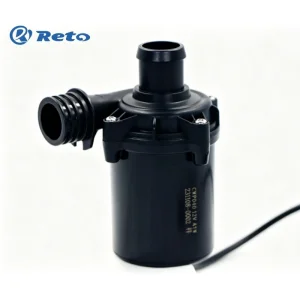
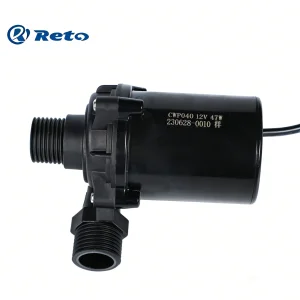
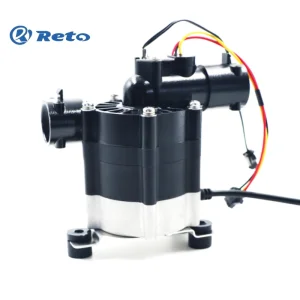
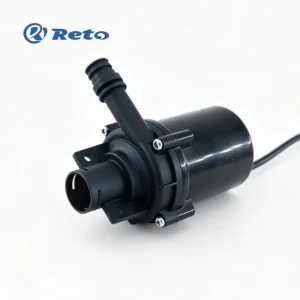
Explore our complete portfolio of advanced BLDC pumps designed for sanitaryware, hot water circulation, and automotive applications.
Direct answers to core hydrodynamic, electrical, and procurement challenges encountered by system engineers and sourcing managers.