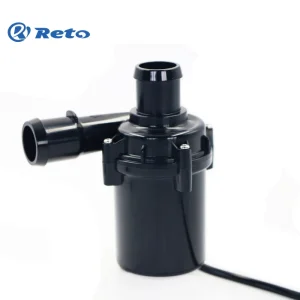
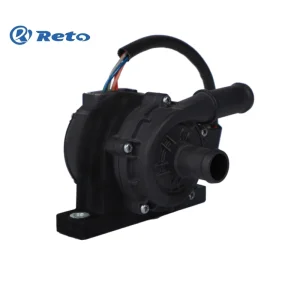
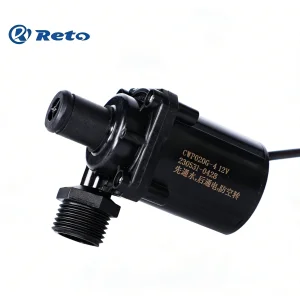
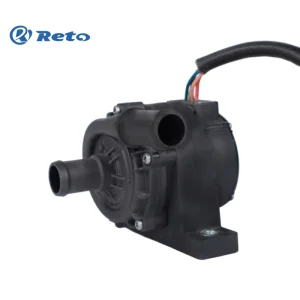
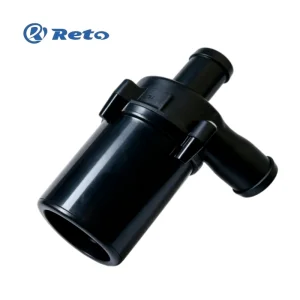
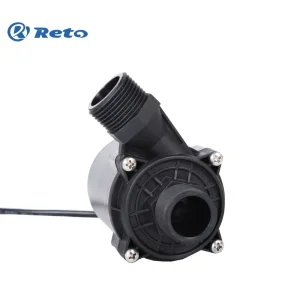
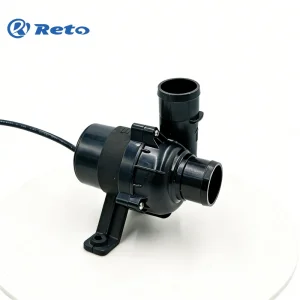
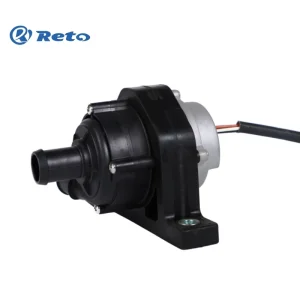
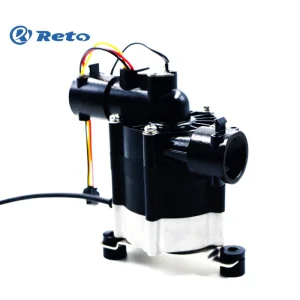
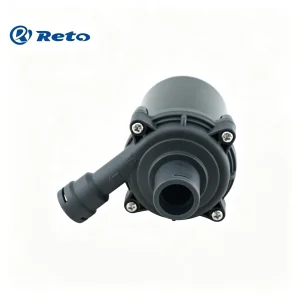
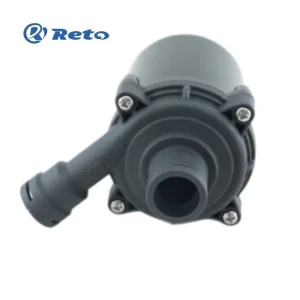
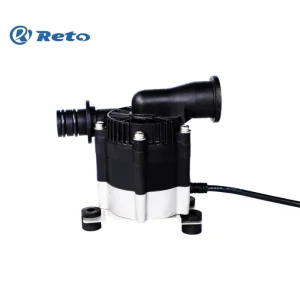
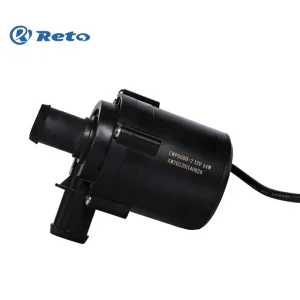
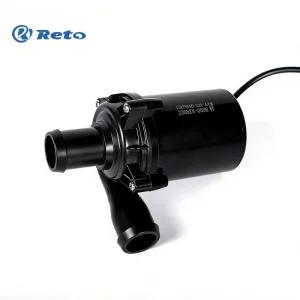
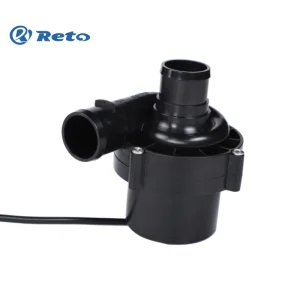
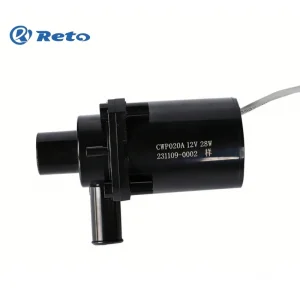
Engineered for high-duty cycling, extreme thermal tolerance, and ultra-silent operation across domestic and automotive fluid circuits.
Transitioning from intermittent luxury to mandatory energy infrastructure across residential, commercial, and industrial thermal ecosystems.
Traditional domestic hot water (DHW) loops suffer from significant standby loss and structural water waste, with average households venting thousands of gallons down the drain awaiting thermal equilibrium. Modern tankless water recirculation pumps eliminate this delay through on-demand, intelligent sensor feedback and zero-draw cold water bypass systems.
Global regulatory bodies (including EU Ecodesign, US Title 24, and Asian Green Building frameworks) mandate tighter specific energy consumption (SEC) targets. Transitioning from AC induction wet-rotor motors to electronically commutated Brushless DC (BLDC) platforms reduces parasitic auxiliary power draw by up to 70% per circuit.
Modern instant heating systems demand embedded hydraulic integration. Today's OEM recirculation pumps communicate via PWM, LIN-bus, or Modbus logic directly to the heater central processor, calculating optimal delta-T ramping speeds rather than operating at crude fixed-velocity thresholds.
Combining end-to-end component verticalization, automotive-grade quality standards, and rapid iterative engineering.
Situated in advanced industrial hubs like Xiamen, our manufacturing ecosystem controls the entirety of the production stack: automated copper winding, precision injection molding of engineering polyphenylene ether (PPE/PPS), rare-earth neodymium magnetic rotor sintering, and cleanroom SMT electronics encapsulation.
Drawing from automotive cooling loop disciplines, production methodologies enforce automated 100% End-of-Line (EOL) testing. Every unit undergoes automated dry-run fault detection, magnetic flux alignment verification, acoustic noise signature chamber scanning, and 1.5 MPa hydrostatic burst validation.
With an engineering collective spanning hydraulics, electrical topology, and structural FEA analysis, we reduce OEM product lifecycle validation from quarters to weeks. From custom threaded port geometry (NPT/G) to customized CAN/PWM telemetry, prototypes are delivered in under 15 operational days.
Deploying specialized magnetic drives and fluid dynamics across diverse thermal loop configurations.
Direct internal manifold mounting beneath the heat exchanger. Compensates for local hydraulic head loss, breaks dead-legs in distant sanitary lines, and ensures zero minimum flow dropouts so high-efficiency modulating burners stay engaged.
Operating continuously against fluctuating medium temperatures (-20°C to +105°C glycol solutions). Specialized static isolation sleeves prevent galvanic corrosion, ensuring hermetic containment throughout multi-year outdoor seasonal exposure.
Transferring heat away from ultra-fast battery modules, onboard power inverters, and high-power DC fast-charging cables. High hydraulic pressure margins guarantee non-cavitating flow across dense heat exchanger geometries under rapid load shifts.
From instant warm-water bidet washing fixtures and macerating basement evacuation circuits to water-cooled sleep systems and precision coffee extractors requiring exact, vibration-free fluid acceleration below 35 dB(A).
A rigorous architectural comparison outlining why global HVAC and plumbing OEMs are specifying electronic magnetic drives.
| Evaluation Parameter | Industrial BLDC Electronic Drive | Conventional AC Induction Wet-Rotor | Brushed Mechanical DC |
|---|---|---|---|
| Continuous Operating Life | 30,000 to 50,000+ Operating Hours | 15,000 to 25,000 Operating Hours | 1,500 to 3,500 Hours (Brush Wear Limit) |
| Hydraulic Power Efficiency | 65% – 85% Total System Efficiency | 25% – 40% (Loss via Eddy Currents) | 45% – 55% (Mechanical Friction Drag) |
| Acoustic Noise Signature | < 32 – 38 dB(A) at 1 Meter | 45 – 55 dB(A) (Mains Hum & Resonance) | 50 – 62 dB(A) (Commutator Friction) |
| Telemetry & Speed Modulation | Precise Linear PWM / 0-10V / Frequency Feedback | Stepped Manual Windings (1-3 speeds) | Crude External Voltage Dropping |
| Rotor Stalling Protection | Integrated Sensorless Driver Microcontroller Autoprotect | Thermal Overload Fuse (Destructive Trip) | Winding Burnout / Fire Hazard |
| Electromagnetic Interference | Strict Compliance with EN 55014 / CISPR Standards | Low EMI, but High Inductive Surge | Severe EMI from Carbon Brush Arcing |
Key procurement criteria evaluated by OEM tier-one buyers across North America, Europe, and Southeast Asia.
Global regulatory enforcement requires safe chemical leaching thresholds in sanitary circuits. International brands require certified lead-free pump bodies, high-performance PPS impellers, ceramic/carbon bearings, and compliance with WRAS, NSF/ANSI 61, RoHS, and REACH directives.
Mechanical carbon shaft seals remain the primary failure point in conventional fluid recirculation pumps. Sourcing engineers now specify canned-motor magnetic drives where the pumped liquid lubricates the ceramic rotor spindle inside an impermeable static isolation shell, preventing dynamic seal leakage.
Recirculation pumps directly attached to tankless heat exchangers face repeated thermal stress cycles up to 100°C+. Sourcing teams require structural housings cast from polyphenylene sulfide (PPS) reinforced with glass fibers to maintain dimensional stability without thread creep or hydro-fracture.
Direct technical responses addressing engineering specifications, validation protocols, and OEM manufacturing workflows.
Traditional inline circulators are large, external AC iron pumps intended for continuous hydronic heating loops. Integrated tankless recirculation pumps feature ultra-compact BLDC canned designs with food-grade PPS/composite housings, low direct-current voltage (12V/24V/36V DC), zero mechanical shaft seals, and high-frequency communication protocols (PWM/LIN) that synchronize with tankless heater ignition cycles to reduce energy consumption.
Our quality assurance laboratory is equipped with automated hydraulic test benches, high-precision thermal cycle pressure loops, and semi-anechoic acoustic testing rooms. We validate continuous L10 life exceeding 30,000 hours at continuous 85°C water temperatures. Noise profiling is evaluated down to 1 meter using certified Class 1 sound level meters, ensuring compliance with strict European and American residential acoustic guidelines below 35 dB(A).
Yes. Our R&D engineering division utilizes computational fluid dynamics (CFD) modeling to adjust impeller blade geometry and volute profiles for specific target duty points. Motor coil configurations can be adjusted for 12V, 24V, 36V, or customized direct-current inputs to optimize hydraulic efficiency, eliminate internal cavitation, and prevent system resonance.
Our corporate facility operates under IATF 16949 (automotive-grade) and ISO 9001 quality management standards, audited by TÜV. Our products carry CE, RoHS, and REACH compliance documentation. For potable water and sanitary appliance integration, pump wet-end plastics and elastomers can be configured with WRAS, FDA, and NSF/ANSI 61 certified compound materials.
Reliable booster, recirculation, and high-flow micro BLDC pump platforms for industrial equipment, sanitary fixtures, and domestic water heating.