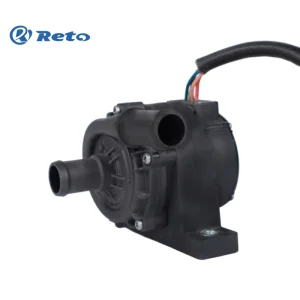
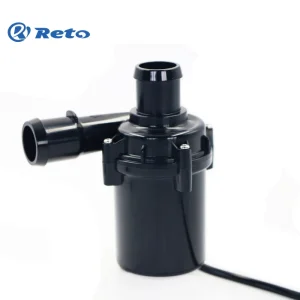
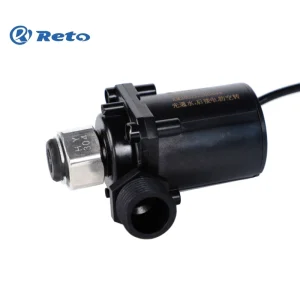
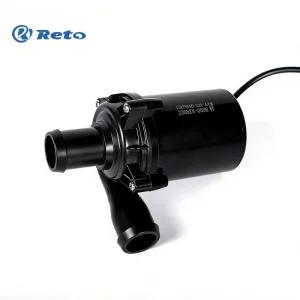
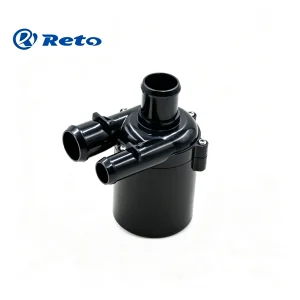
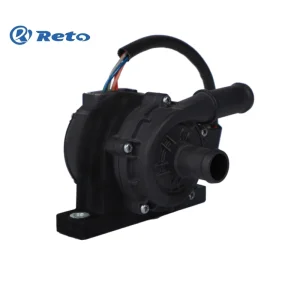
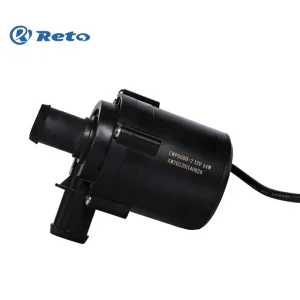
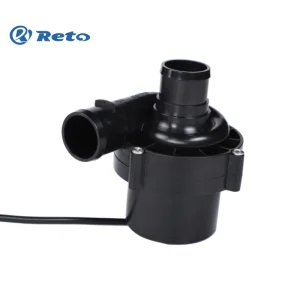
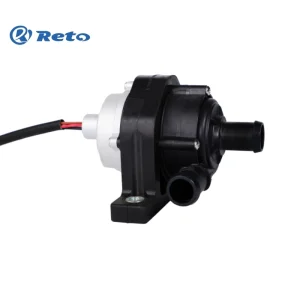
Engineered for mission-critical hydraulic performance in smart sanitaryware, thermal management loops, and sustainable water systems.
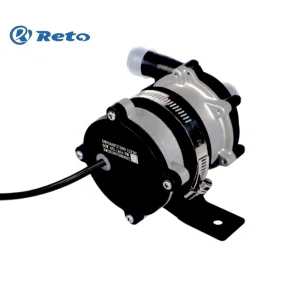
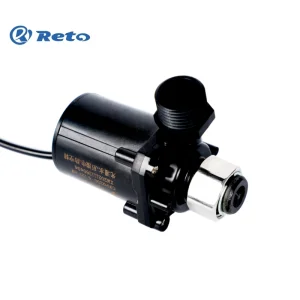
A rigorous examination of fluid dynamics evolution, shifting operational lifespans, and acoustic benchmarks shaping contemporary industrial and consumer applications.
The global fluid handling sector is navigating a decisive transition away from conventional brushed alternating-current (AC) and direct-current (DC) pump designs toward electronically commutated Brushless DC (BLDC) systems. Historically, brushed motors served as the economical baseline for low-power circulation. However, dynamic thermal expansion, rapid carbon brush degradation, and abrasive carbon dust emissions severely curtailed the mean time between failures (MTBF), routinely capping operational lifespans at under 3,000 continuous hours.
Modern high-performance BLDC pumps utilize precision hall sensors or sensorless field-oriented control (FOC) algorithms to orchestrate magnetic stator switching with extreme accuracy. By segregating the rotor entirely from physical brush wear, BLDC topologies achieve operational lives in excess of 30,000 to 50,000 hours. This structural advancement not only eradicates intermittent arcing and mechanical friction losses but also achieves energy efficiency ratings over 85%, significantly mitigating parasitic electrical drag within enclosed thermal enclosures.
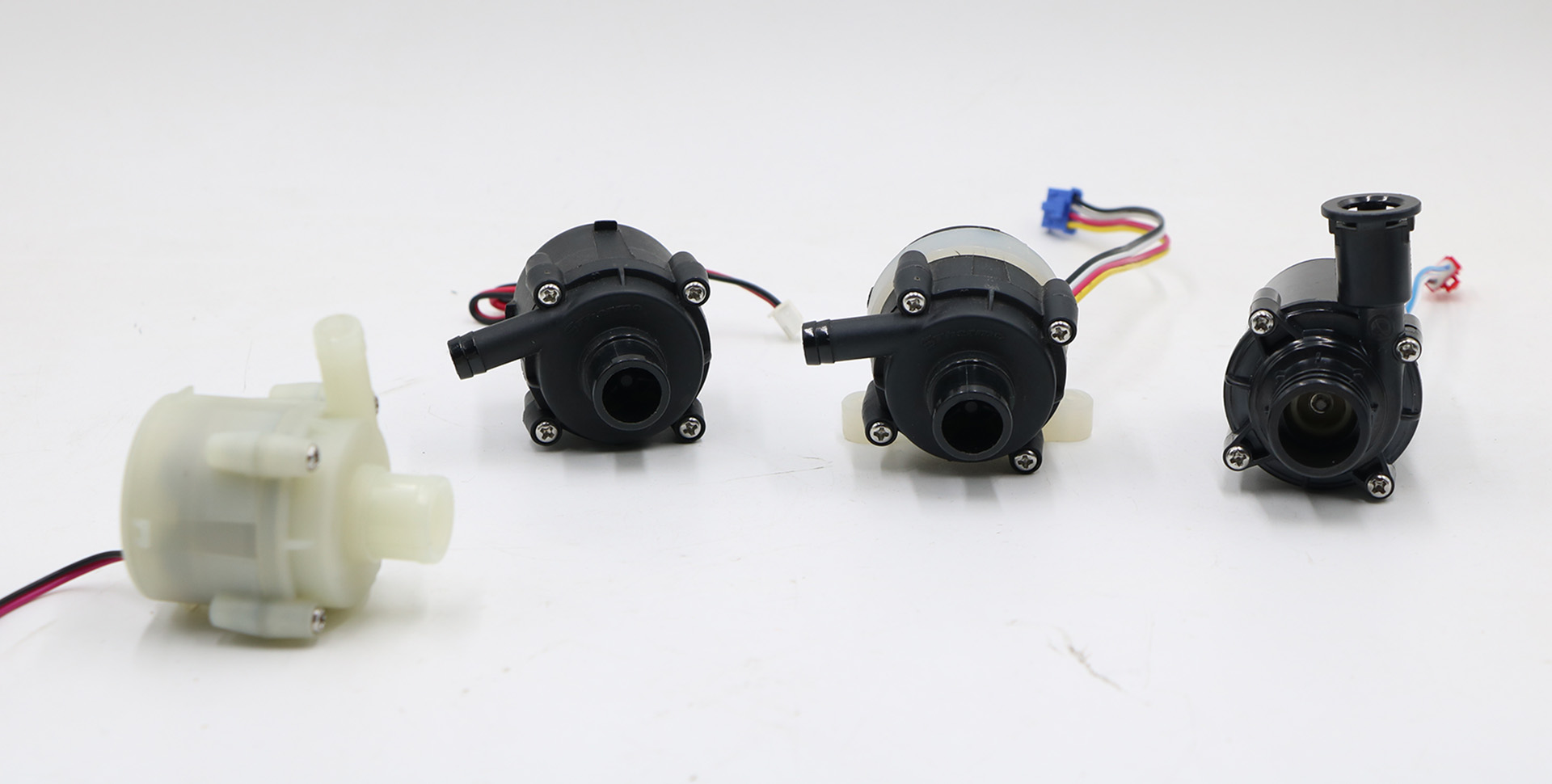
A primary driver for specialized customization in today's high-performance miniature pump market is acoustic ergonomics. Whether deployed inside the ultra-compact ceramic casing of an intelligent bidet toilet or adjacent to a residential sleeping chamber in water-heated hydronic mattress toppers, decibel footprint directly impacts end-user brand perception.
Custom manufacturers must address both structure-borne vibration and fluid pulsation. Modern high-grade pumps integrate high-density static ceramic shafts, graphite-carbon bearings, dynamic computational fluid dynamics (CFD) modeled curved volutes, and soft-switching sinusoidal vector drives. By attenuating hydraulic cavitation and electromagnetic torque ripple, modern factories successfully suppress operational sound below 35-40 dBA, allowing pumps to function invisibly within acoustic-sensitive environments.
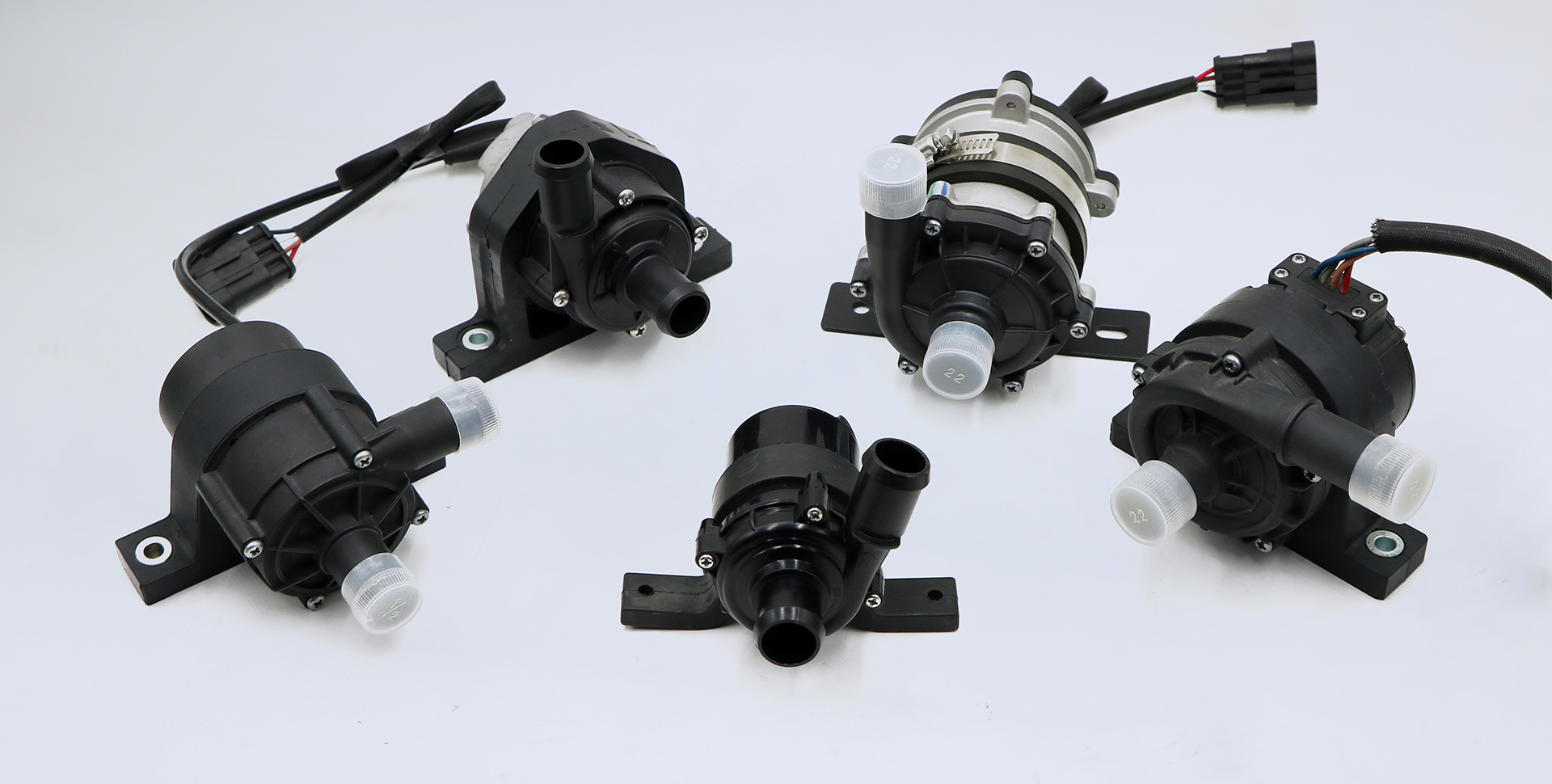
Key technical parameters, compliance mandates, and customization vectors prioritized by Fortune 500 procurement teams, automotive Tier-1s, and appliance OEMs.
Global supply chains demand compliance beyond baseline CE markings. Automotive platforms require full IATF 16949 production controls, while potable water and high-temperature sanitary installations enforce strict WRAS, NSF/ANSI 61, FDA-grade elastomer compliance, alongside RoHS and REACH traceability to guarantee zero chemical leaching across fluid cycles.
Fixed-displacement pumps no longer satisfy energy-efficiency directives. Modern procurement specifications dictate precise 0-5V or Pulse Width Modulation (PWM) duty-cycle variable speed regulation. Integrated Frequency Generator (FG) or Hall sensor feedback permits real-time RPM telemetry, facilitating predictive maintenance, dry-run stall protection, and dynamic flow modulation.
Off-the-shelf catalog models rarely accommodate modern tight chassis envelopes. Turnkey custom manufacturing provides custom volumetric port geometries (e.g., straight-through barbs, G-threads, push-fit quick disconnects), diverse motor stator windings (12V, 24V, 48V, or 310V DC), custom bracket anti-vibration damping isolators, and custom harness connectors conforming to IP68 hermetic ingress ratings.
Inside the world-class manufacturing ecosystems in Xiamen and Fujian province driving unmatched scalability, vertical integration, and zero-defect quality control.
By leveraging dense industrial clusters across coastal China, factory facilities control every tier of the value stream—from specialized in-house copper coil automated winding, micro-injection molding of polyphenylene sulfide (PPS) wet-ends, to in-house SMT printed circuit board assembly (PCBA). This consolidation dampens geopolitical transit delays and dramatically curtails production cycle times.
Industry 4.0 smart manufacturing replaces manual assembly risks with robotic insertion cells, laser balancing of high-speed impellers, automated helium-vacuum leak testing, and optical camera vision inspections. Every finished unit features a unique matrix serial barcode logging stator winding resistance, rotor runout, dielectric breakdown insulation testing, and flow-head curve performance.
With dedicated tooling facilities capable of rapid tooling within 15–20 business days and comprehensive hydrodynamic simulation suites (ANSYS Fluent, SolidWorks Flow Simulation), engineering teams translate bespoke client pump curve requests into pre-production prototypes with exceptional velocity, smoothly ramping to annual volumes exceeding 2,000,000 units.
Tailored hydraulic configurations engineered for extreme duty cycles across sanitary, renewable energy, and commercial markets.
Integrating compact 12V/24V high-pressure booster units to ensure precise spray wand pressures regardless of erratic municipal water supply pressures. Dual-stage pumps facilitate instant cyclonic flushing alongside instantaneous water heater recirculation within space-constrained vitreous china enclosures.
Engineered for high-vibration automotive under-hood environments. These specialized coolant pumps circulate ethylene glycol mixtures up to 105°C through battery cold plates, high-output inverter cooling loops, and ultra-fast DC charging liquid cooling cables under continuous duty cycles.
Engineered with PPS and PVDF wetted materials rated to withstand continuous fluid temperatures up to 100°C–120°C. Delivers continuous domestic hot water recirculation, eliminates cold-water dwell wait times, and compensates for low inlet pressure in modern residential architecture.
Clear, direct technical answers addressing fluid mechanics, motor integration, and supply chain questions from OEM product engineers.
High-performance BLDC pumps utilize a sealless magnetic drive architecture. The pump's magnetic rotor is isolated within a hermetically sealed containment chamber surrounded by static O-rings, separating fluid pathways completely from dry electrical stator windings. This eliminates traditional mechanical dynamic rotating lip seals, removing the leading cause of leakage in continuous circulation systems.
To deliver an optimized hydraulic curve, our engineering group requires: nominal flow rate (L/min or GPM), required head pressure (bar, PSI, or meters of water), operational voltage range (e.g., 9-16V DC for a 12V system), fluid composition and viscosity, minimum/maximum operational media temperatures, target duty cycle, acoustic noise envelope constraints (in dBA at 1 meter), and control protocol requirements (e.g., PWM frequency and FG pulse output).
Our intelligent BLDC motor driver boards include embedded firmware protective loops. If a current drop indicative of dry running or fluid starvation is detected, the micro-controller reduces RPM or performs staged restarts before latching into safety mode. For locked rotor scenarios (e.g., debris obstructing the impeller), current limiting algorithms cut continuous power to prevent stator thermal runaway.
Operating under IATF 16949 and ISO 9001 frameworks, 100% of our production pump units undergo multi-station End-of-Line (EOL) automated testing. This comprises dielectric voltage withstand (Hi-Pot) testing, automated pneumatic pressure hermetic decay leak checking, automated sound booth frequency profiling, and real-time flow versus head curve verification against baseline Golden Sample parameters.
Explore additional high-performance BLDC configurations designed for high ambient temperatures, automotive thermal loops, and precision micro-boosting.