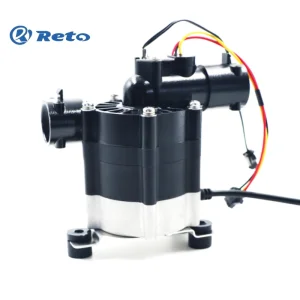
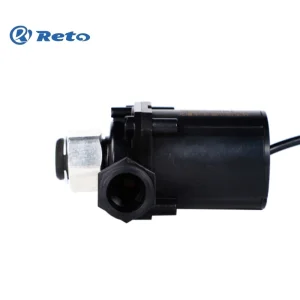
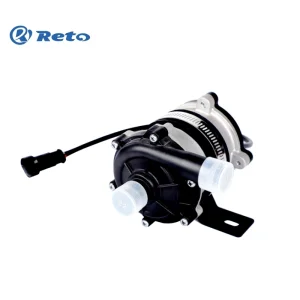
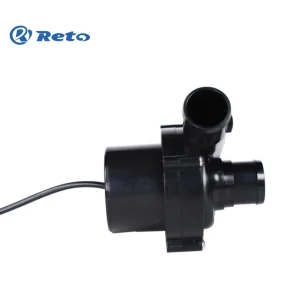
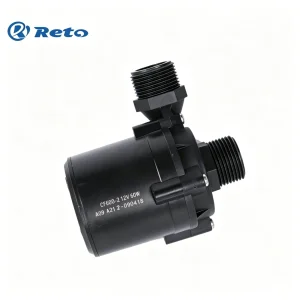
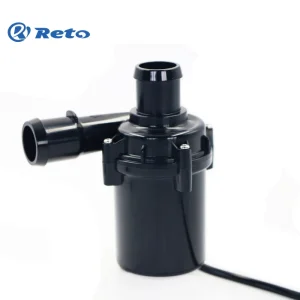
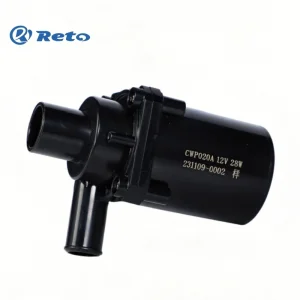
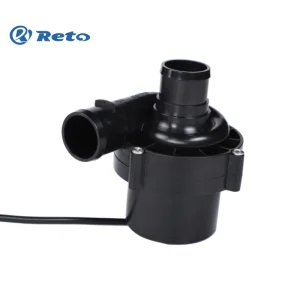
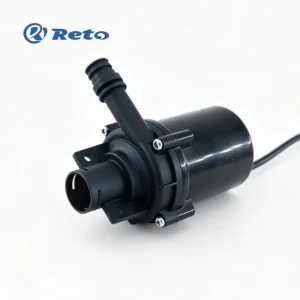
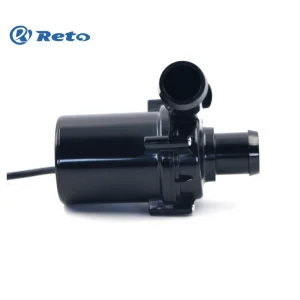
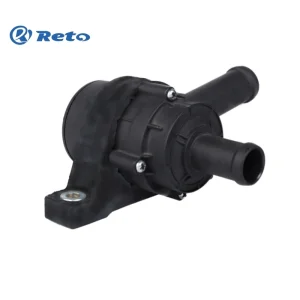
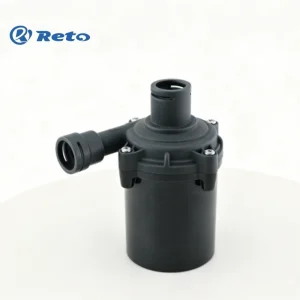
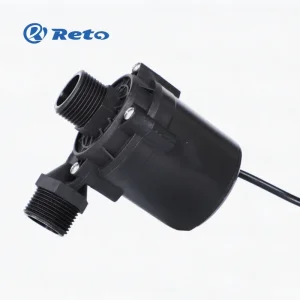
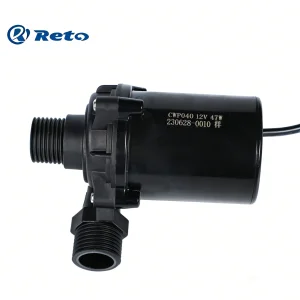
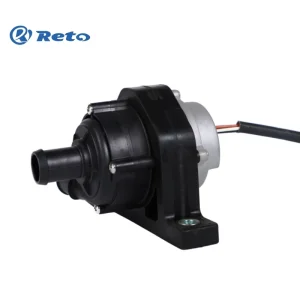
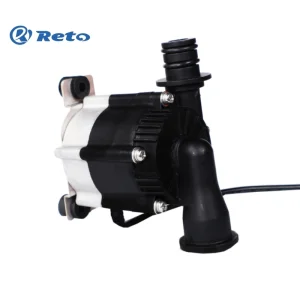
Explore our high-efficiency brushless DC circulation and boosting assemblies engineered for precision thermal loops, vehicle architectures, domestic utilities, and specialized charging infrastructure.
The electrification of modern passenger automobiles, hybrid powertrains (PHEV/HEV), battery electric vehicles (BEV), and fuel-cell electric mobility (FCEV) has completely rewritten thermal engineering requirements. Conventional internal combustion engines historically relied on mechanical water pumps driven via auxiliary serpentine belts, where coolant volume displacement was strictly tied to engine RPM. In contrast, modern electric water pump (EWP) car technology relies on intelligent, standalone brushless direct current (BLDC) fluid drivers that decouple coolant flow from vehicle velocity.
Automated precision winding, magnetic assembly, and end-of-line testing across all BLDC platforms.
Covering magnetic drive separation, wet-rotor fluid hydrodynamics, and CAN/LIN intelligent drivers.
Rigorous helium leak testing, high-temperature fluid endurance, and automated optical inspection.
Trusted by over 600 global Tier-1 automotive integrators, appliance OEMs, and commercial contractors.
Unlike mechanical belt-driven units that overheat at idling speeds and waste energy at highway cruise, modern electric water pump car units operate on intelligent closed-loop algorithms. Microcontrollers modulate impeller velocity based on instantaneous thermistor telemetry from the battery management system (BMS), inverter insulated gate bipolar transistors (IGBTs), and electric drive traction motor coils.
Standard dynamic shaft mechanical seals are notoriously susceptible to premature abrasive degradation, dry running friction, and toxic coolant weepage. Leading China electric water pump factories employ static canned isolation sleeve configurations where the motor stator and drive electronics are completely sealed in a high-thermal-conductivity plastic/alloy housing.
Tier-1 automotive vehicle platforms require continuous monitoring of hydraulic performance and electrical telemetry. Custom electric water pump car assemblies incorporate sophisticated on-board drivers capable of receiving Pulse Width Modulation (PWM), Local Interconnect Network (LIN 2.X), or Controller Area Network (CAN) commands with full bidirectional fault reporting.
When global procurement directors, powertrain system architects, and component engineering managers evaluate custom electric water pump manufacturers in China, their evaluations prioritize risk mitigation across automotive compliance, thermal stability, acoustic emission, and electromagnetic compatibility.
| Evaluation Vector | Legacy Aftermarket Pumps | RETO Automotive OEM Spec | Procurement Strategic Impact |
|---|---|---|---|
| Quality System Verification | ISO 9001 standard manufacturing baseline. | IATF 16949 + ISO 9001 + TÜV | Guarantees automotive APQP, PPAP level-3 documentation, 8D failure reporting, and zero-defect traceability. |
| Operating Temperature Envelope | -20°C to +85°C (Limited to cabin or domestic loops). | -40°C to +125°C Continuous | Prevents cracking, seal embrittlement, and winding degradation during extreme sub-zero cold-starts or thermal baking. |
| Acoustic & NVH Profile | 45 dB(A) to 58 dB(A) audible whining at 1 meter. | < 35 dB(A) Ultra-Silent Drive | Essential for quiet BEV cockpits where engine rumble is absent; completely prevents passenger cabin noise intrusion. |
| EMC / EMI Compliance | Basic CISPR 14 or non-certified circuitry. | CISPR 25 Class 3 to Class 5 | Eliminates high-frequency electromagnetic interference with autonomous driving radar, telematics, and vehicle ECUs. |
| Ingress Protection & Salt Spray | IP54 to IP65 splash-proof rating. | IP67 / IP69K Hermetic Enclosure | Withstands severe under-chassis high-pressure steam jet cleaning, deep puddle submersion, and coastal road salt fog. |
With the rapid adoption of immersion cooling fluids and specialized glycol-water anti-freeze (50/50 ethylene/propylene glycol blends), housing polymers and O-rings must resist chemical cracking and embrittlement over 15 years.
EV battery packs pack dozens of meters of micro-channel cooling tubes, generating steep fluid pressure drops. Sourcing teams demand compact pumps capable of overcoming 8 to 15 meters of static head while moving 20 to 120 L/min.
Tier-1 engineering cycles demand working 3D SLS samples, hydraulic simulation data (CFD), and functional sample pump delivery within 10 to 15 business days to match aggressive vehicle launch timelines.
OEM procurement teams mandate audited factories with fully integrated upstream vertical capabilities (in-house plastic tooling, SMT circuit placement, stator winding, and dynamic impeller balancing).
As the world's epicentre of both electric vehicle assembly and precision home appliance manufacturing, China provides an unmatched industrial ecosystem. Headquartered in the national high-tech manufacturing zone of Tong'an, Xiamen, Xiamen Reto Electric Appliances Co., Ltd. (RETO) harnesses Industry 4.0 automation to deliver automotive-grade BLDC electric water pumps with verified cost efficiency and rapid lead-time consistency.
RETO’s Xiamen manufacturing hub operates automated needle coil winders, high-speed multi-axis SMT pick-and-place lines, and robotic potting dispensing systems that seal pump electronics in thermally conductive epoxy under vacuum.
China’s coastal manufacturing corridor houses the world's most concentrated supply chains for rare-earth permanent magnets (sintered and bonded NdFeB), high-precision PPS/PPE engineering plastics, and automotive silicon controllers.
Recognized as a National High-Tech Enterprise, an SRDI (Specialized, Refined, Distinctive, Innovative) Enterprise, and a High-Growth Gazelle Enterprise, RETO maintains an R&D engineering staff of over 10 veteran technical leaders with 10+ years dedicated to fluid dynamics and motor acoustics.
While the core electro-mechanical architecture of an electric water pump car revolves around high-reliability BLDC motor technology, the fundamental engineering principles cross-pollinate into high-end smart sanitary, continuous-duty water heating, and industrial thermal loops.
Dedicated coolant loops for EV battery packs, fast-charging liquid cold plates, electric motors, and onboard AC/DC inverters. Operating at 12V, 24V, or 48V, these pumps modulate between trickle circulation and high-velocity flush during rapid DC fast charging.
High-power 350kW to 600kW ultra-fast EV charging cables and power module racks generate intense localized heat. Our heavy-duty BLDC cooling pumps provide continuous circulation of dielectric fluid to prevent thermal derating and cable melting.
Integrating whisper-quiet BLDC technology into high-end smart sanitary systems. Solves municipal low-pressure issues with instant tankless booster flushes and stable, hygienic bidet washing with medical-grade food-safe plastics.
Rapid hot water recirculating and inline pressure boosting for residential gas, electric, and solar tankless water heaters. Eliminates cold-water wait times in modern high-rise apartments and villa residential circuits.
Straightforward, engineering-backed answers addressing the critical parameters, reliability risks, and manufacturing capabilities evaluated by automotive and industrial sourcing teams.
An automotive electric water pump is engineered to survive harsh under-the-hood and chassis environments governed by IATF 16949 standards. Key differentiators include a continuous temperature rating from -40°C to +125°C, high vibration tolerance (exceeding 10G RMS), hermetic IP67/IP69K sealing against salted slush and high-pressure steam cleaning, and stringent electromagnetic compatibility meeting CISPR 25 Class 3-5. Furthermore, automotive pumps utilize CAN/LIN bus or PWM communications with built-in telemetry diagnostics (dry-run, lock-rotor, over-current, thermal cut-off), whereas commercial pumps typically operate on fixed analog voltages without feedback.
Cavitation occurs when fluid static pressure drops below its vapor pressure, causing vapor bubble collapse that pits impellers and generates noise. RETO's engineering team conducts extensive Computational Fluid Dynamics (CFD) optimization on impeller blade curvature and the volute casing spiral expansion angle. This maintains smooth laminar velocity profiles and optimizes Net Positive Suction Head Required (NPSHr). Combined with precision PPS/PA66 engineering polymers reinforced with glass fiber, our hydraulic wet-ends resist hydraulic erosion and thermal degradation up to continuous fluid temperatures of 120°C.
For custom hydraulic housings, port geometries, or mounting bracket adaptations, RETO delivers initial 3D SLA/SLS functional prototypes within 10 to 14 business days. Hardened steel injection molds for pump casings, impellers, and stator bobbins take approximately 30 to 45 calendar days. Production Part Approval Process (PPAP Level 3), including full dimensional inspection, Cpk capability metrics, and laboratory environmental validation, is completed concurrently. Our in-house mold processing center significantly lowers initial NRE/tooling investment compared to Tier-1 European competitors.
Dynamic mechanical shaft seals rely on face-to-face friction to contain pressurized coolant. Over time, vibration, particulate ingress, and thermal cycling degrade the sealing face, inevitably resulting in coolant weeping and electrical motor shorting. RETO’s canned wet-rotor BLDC architecture separates the dry stator windings from the wet rotor chamber using a high-strength, non-magnetic isolation sleeve sealed with static fluorosilicone O-rings. The circulating coolant lubricates high-purity graphite/ceramic sleeve bearings, delivering a zero-leakage, frictionless operation rated for over 30,000 operational hours without maintenance.
RETO applies 100% automated testing at end-of-line stations. Every unit undergoes automated helium leak detection to guarantee hermetic integrity, followed by automated bench testing across the entire P-Q (pressure versus flow) curve. Drive electronics undergo dielectric high-pot isolation checks, reverse-polarity surge protection checks, and full LIN/PWM bus communication handshakes. Random batch audits execute 1000-hour continuous salt spray exposure, high/low thermal cycling (-40°C to +125°C), and acoustic chamber sound pressure checks to ensure zero-defect consignments reach your assembly lines.
Engineered for extreme reliability, silent continuous operation, and seamless fitment across automotive battery enclosures, residential high-temperature circuits, and intelligent bidet fixtures.