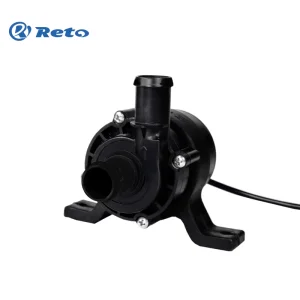
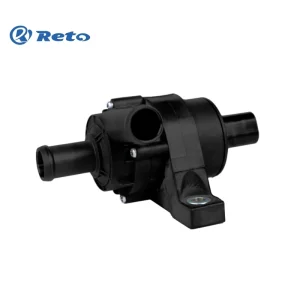
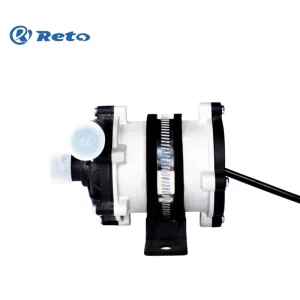
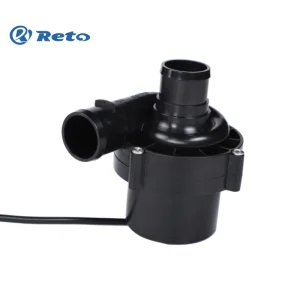
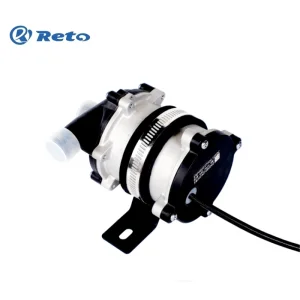
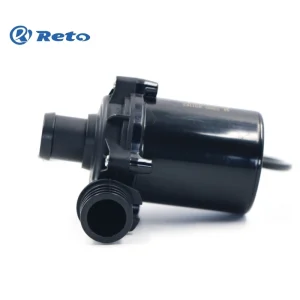
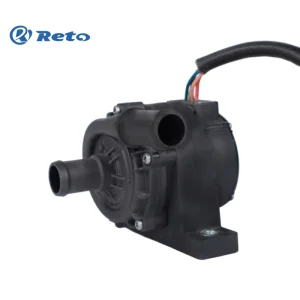
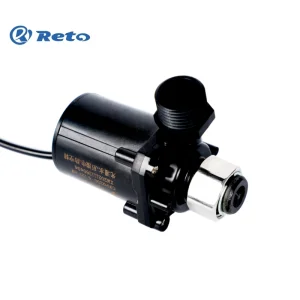
Customized fluid handling configurations designed for high thermal thresholds, continuous duty, and precision hydraulic modulation.
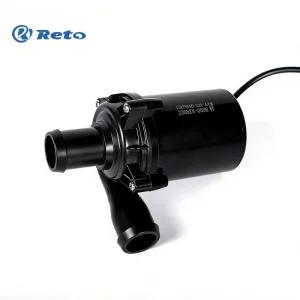
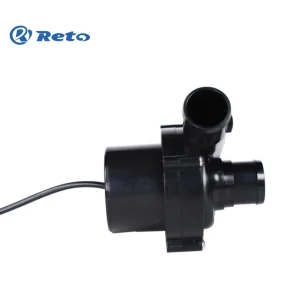
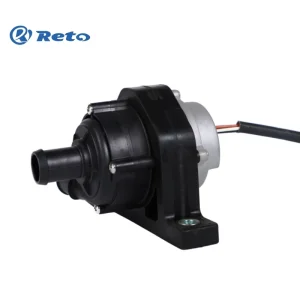
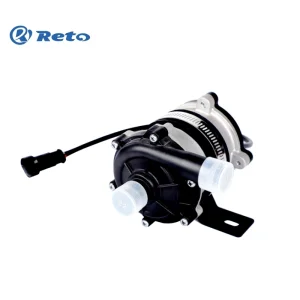
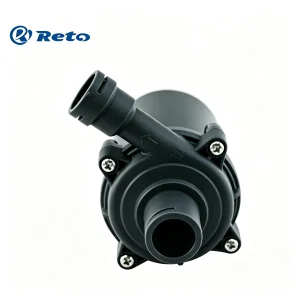
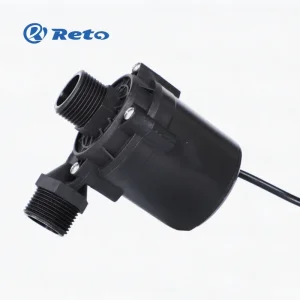
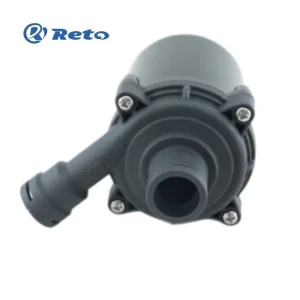
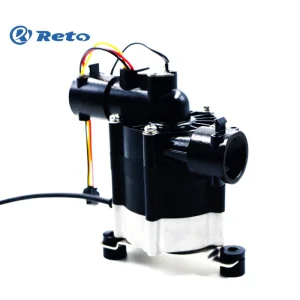
Hydraulic dynamics within pressurized closed-loop and open-vented storage systems are undergoing a historic transformation from legacy AC induction architectures to smart Brushless DC (BLDC) magnetic drive platforms.
In modern domestic, commercial, and hybrid thermal storage applications, modernizing fluid loops is crucial. Traditional hot water recirculation strategies frequently suffered from mechanical seal friction, thermal degradation under continuous stagnation loads, severe calcium scale calcification, and excessive standby energy losses. A custom-engineered hot water tank circulation pump designed and manufactured in high-density industrial hubs addresses these core vulnerabilities through integrated canned-motor wet rotor configurations and frictionless electronic commutation.
By eliminating physical dynamic seals and replacing high-wear carbon brushes with high-temperature ceramic or carbon-graphite bearings, failure points (MTBF rates) are dramatically extended beyond 30,000 to 50,000 continuous operating hours. For high-volume equipment manufacturers (OEMs), procuring directly from qualified custom pump factories provides precise mechanical housing adaptations, fine-tuned impeller aerodynamics, customized firmware speed maps (PWM/LIN-bus protocols), and stringent compliance with drinking water hygiene and electromagnetic interference standards.
The strategic advantages delivered by specialized Chinese manufacturing clusters combine raw material integration, automotive-grade quality controls, and rapid precision tooling cycles.
Direct access to localized sintering ecosystems for Neodymium Iron Boron (NdFeB) high-temperature permanent magnets. This ensures stable coercivity up to 120°C fluid temperatures without demagnetization risks over protracted product lifespans.
Advanced factories leverage precision processes established in automotive fluid delivery. This translates to full material traceability, automated winding, statistical process control (SPC), and computerized acoustic sound-booth verifications on every unit.
Turnaround times for tooling customized fluid manifolds, anti-vibration footings, and specialty port geometries (BSP, NPT, quick-connect barb couplings) are executed within 20 to 30 business days, drastically compressing time-to-market windows.
Comparing critical engineering metrics for integration into commercial and domestic water heater infrastructure.
| Performance Parameter | Electronically Commutated (BLDC) Magnetic | Conventional AC Shaded-Pole / PSC Induction |
|---|---|---|
| Electrical Efficiency (Wire-to-Water) | 65% – 78% (High hydraulic conversion) | 20% – 32% (Severe rotor heat dissipation) |
| Acoustic Noise Profile | ≤ 28 - 35 dB(A) (Virtually silent whisper-quiet) | 48 - 58 dB(A) (Humming vibration from 50/60Hz slip) |
| Speed Modulation | Stepless (0-10V, PWM frequency, or CAN/LIN) | Fixed single-speed or coarse 3-speed manual taps |
| Rotor Stagnation & Limescale Risk | Micro-controller reverse jog & anti-lock routines | High risk of seizure under hard water sedimentation |
| Operating Input Voltage | Safe Low Voltage (12V DC, 24V DC, 48V DC) | Mains High Voltage (110V AC, 230V AC - safety risks) |
| Thermal Heat Transfer to Medium | Low-loss stator; isolated wet rotor cup | High thermal dissipation can warm unheated lines |
Customized fluid dynamics deployed across demanding residential, commercial, and high-efficiency renewable energy systems.
High-temperature solar glycol water loops require continuous recirculation where fluid temperatures reach continuous surges up to 105°C and peak stagnation temperatures of 120°C. Custom PPS pump casings and ceramics handle these elevated operating states effortlessly.
In North American and European residences, dedicated return lines or under-sink crossover configurations demand rapid instantaneous delivery. Integrated smart sensors modulate flow rates based on thermal differential targets, minimizing water waste.
Decarbonization initiatives in cold climates require variable-speed primary loop pumps. Integrated microprocessors dynamically calculate condenser delta-T, adjusting pump RPM in real-time to preserve maximum seasonal COP efficiencies.
Off-grid living installations rely on compact, low-voltage DC booster and tank circulation pumps capable of direct battery bus integration (12V/24V) with high vibration tolerance, compact profiles, and dry-run safety routines.
Technological evolution, environmental legislation, and supply chain digitalization are resetting the benchmarks for customized pump factories.
Modern water heater manufacturers demand bi-directional data flow. Brushless DC pump controllers increasingly feature UART, LIN, or CAN protocols capable of feeding RPM feedback, operating voltage fluctuations, and stator winding temperature profiles back to master system hubs.
Stricter lead-free and non-toxic regulations (WRAS, NSF/ANSI 61, FDA, ACS, and KTWA) require pump manufacturers to utilize certified engineering plastics (such as glass-fiber reinforced PPS/PA66) and sanitary ceramics for any contact medium.
Tankless and hybrid water heaters require smaller product chassis. Pump factories focus on shrinking outer stator envelopes while utilizing computer fluid dynamics (CFD) to maximize hydraulic throughput across ultra-compact rotor assemblies.
Engineering verification steps to mitigate supply chain disruption, warranty claims, and field recalls.
Procuring specialized fluid pumps requires in-depth verification of production metrics. Enterprise sourcing managers should evaluate the following structural capabilities during on-site or digital supplier audits:
Direct answers to core queries regarding custom manufacturing, customization limits, and fluid system dynamics.
Advanced precision components engineered for EV thermal control, automotive applications, solar systems, and quiet sanitary fixtures.