
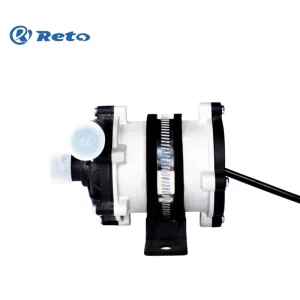
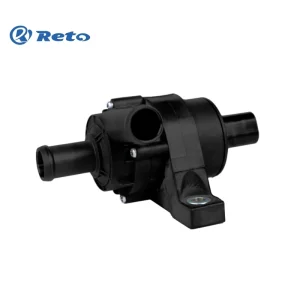
China 12V Automotive Liquid Cooling Water Pump Factories, Factory
- Rated for 120°C high-temp coolant loops
- IP68 hermetic canned-motor enclosure
- Ultra-quiet BLDC magnetic drive
High-efficiency 12V and 24V brushless electronic water pumps optimized for continuous thermal loop duty cycles in ambient temperatures reaching up to 55°C.
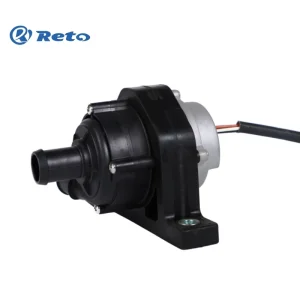
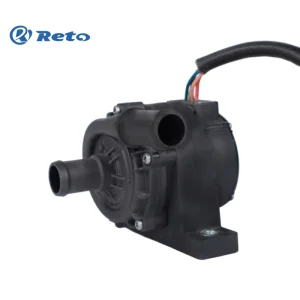
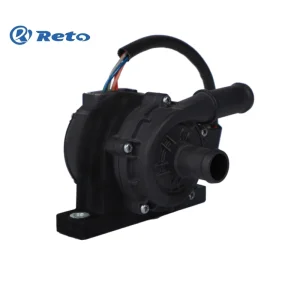
The United Arab Emirates represents one of the most demanding automotive test-beds in the world. Operating under the strategic frameworks of the UAE Net Zero 2050 charter and the Dubai Clean Energy Strategy 2050, the region is undergoing an unprecedented shift. Commercial fleet operators, municipal transit authorities (such as Dubai's RTA), and private vehicle consortia are aggressively scaling new energy vehicles (NEVs), hybrid-electric powertrains, and high-efficiency ICE platforms.
However, thermal management in the Arabian Peninsula is constrained by extreme thermodynamic realities. Summer ambient conditions regularly surpass 50°C (122°F), with solar surface radiation driving under-hood compartment temperatures beyond 115°C. In such hyper-thermal environments, conventional belt-driven mechanical pumps prove inefficient, consuming excessive parasitic engine power while failing to deliver variable coolant flow during low-speed, high-load conditions like congested urban idling or grueling desert dunes.
Chinese Tier-1 and Tier-2 automotive pump manufacturers have stepped into this critical junction. By bridging high-volume automated manufacturing with rigorous automotive engineering standards, Chinese suppliers provide the United Arab Emirates with mission-critical Brushless DC (BLDC) auxiliary and primary circulation pumps. These components serve vital roles across OEM assembly hubs in JAFZA (Jebel Ali Free Zone) and KIZAD (Khalifa Industrial Zone Abu Dhabi), as well as satisfying the sprawling automotive aftermarket across Sharjah, Dubai, and Abu Dhabi.
Transitioning from mechanical parasitism to intelligent electronic pumping: How BLDC water pumps provide deterministic thermal stability for next-generation vehicle architectures.
Traditional mechanical pumps revolve strictly proportionally to engine RPM. Chinese electronic water pumps (EWPs) decouple fluid circulation from powertrain rotational speed. Utilizing pulse-width modulation (PWM) or controller area network (CAN 2.0B / LIN) protocols, flow volumes are modulated from 5 L/min up to 180 L/min based on real-time microchip sensor data, saving up to 3.5% total fuel/electrical consumption.
Dynamic mechanical shaft seals are the leading cause of coolant leakage and bearing failure under desert sand exposure. Our pumps deploy stationary stainless steel or ceramic containment cans that isolate stator windings completely from the pumped fluid. Rotor and impeller sub-assemblies operate immersed in coolant, eliminating dynamic seals and mitigating catastrophic leaks.
High glycol temperatures in Middle Eastern climates decrease localized fluid vapor pressure, significantly increasing cavitation risk at impeller inlets. Through advanced computational fluid dynamics (CFD) modeling, our volutes and backwards-curved 3D impellers minimize localized pressure drops, preventing bubble collapse erosion and acoustic chatter.
Globally, the automotive pump market is navigating a multi-billion dollar structural transformation. The rapid phase-out of internal combustion engines across key global corridors has rendered conventional mechanical water pumps obsolescent. In their place, modern New Energy Vehicles (NEVs) require complex, multi-branch liquid cooling loops to simultaneously regulate battery packs, silicon-carbide (SiC) traction inverters, fast-charging DC-DC systems, and passenger cabin climate systems.
A modern pure electric vehicle (BEV) operating in the UAE demands up to four discrete electric water pumps: a dedicated battery pack chiller loop (operating strictly between 20°C and 35°C to avoid thermal runaway or capacity degradation), a drive motor and inverter loop (tolerating up to 85°C), and auxiliary cabin heating/cooling circulation pumps.
China has emerged as the premier manufacturing powerhouse and innovation epicenter for automotive BLDC technology. Backed by end-to-end rare-earth permanent magnet refining (NdFeB), state-of-the-art semiconductor drive packaging, and high-volume automated injection molding, Chinese manufacturing provides global tier-1 integrators with unmatched precision, rapid prototyping cycles, and pricing resilience.
From hyper-congested commercial delivery routes to off-grid desert exploration and heavy civil infrastructure across Abu Dhabi, Dubai, and the Northern Emirates.
Dubai's Roads and Transport Authority (RTA) has committed to a 100% hybrid, electric, and hydrogen taxi fleet. These vehicles run 24/7 in extreme heat. Chinese BLDC pumps provide non-stop chiller circulation, preventing thermal throttling during superfast DC charging cycles at high-ambient mid-day peaks.
The UAE boasts a massive recreational and governmental desert patrol sector (Toyota Land Cruiser, Nissan Patrol, off-road defense buggies). Auxiliary 12V high-flow pumps cool turbochargers post-engine shutdown and boost transmission fluid radiator loops during intense dune cresting.
Excavation, port logistics at Khalifa Port, and oil & gas support rigs in the Western Region (Al Dhafra) operate under relentless solar exposure. 24V brushless heavy-duty water pumps circulate cooling fluids through hydraulic oil heat exchangers and high-output alternator enclosures.
Procuring automotive components for distribution or manufacturing in the United Arab Emirates requires strict adherence to Gulf Standardization Organization (GSO) safety benchmarks, UAE Ministry of Industry and Advanced Technology (MoIAT) standards, and global OEM tier mandates. Sourcing managers cannot afford uncertified, sub-standard products susceptible to premature failure in the desert.
Our manufacturing and engineering protocols are structured around IATF 16949—the stringent international standard for automotive quality management systems. Every component features traceable material certificates (RoHS & REACH compliant), automated stator winding verification, and multi-stage testing including helium vacuum leak detection and dynamic fluid balancing.
Furthermore, our regional logistics support models optimize supply lines directly into JAFZA bonded warehouses and mainland UAE ports, enabling flexible consignment stocks, expedited sample validation, and full engineering documentation (PPAP Level 3, IMDS submission) for regional automotive converters.
Anticipating the technological progression of electric mobility, intelligent edge sensing, and ultra-high voltage architectures in the Middle East.
As EV battery architectures shift from 400V to 800V to allow 350kW DC ultra-fast charging across the UAE highway network, electric coolant pumps are migrating to direct high-voltage drives. This eliminates bulky DC-DC conversion steps, maximizes electrical efficiency, and reduces copper wiring loom weight.
Future iterations incorporate internal microcontrollers running sensorless Field-Oriented Control (FOC) with built-in predictive algorithms. By tracking slight anomalies in phase current and motor winding temperature, the pump alerts vehicle fleet managers to coolant aeration, fluid degradation, or blockages before thermal cutoff occurs.
For high-performance hypercars and ultra-duty trucks in GCC regions, direct liquid immersion cooling of battery cells is emerging. Chinese pump manufacturers are already prototyping specialized magnetic-drive pumps compatible with non-conductive synthetic hydrocarbon and fluorochemical dielectric liquids.
Comprehensive brushless DC water pumps available for global export, OEM integration, and specialized fleet distribution in the UAE.
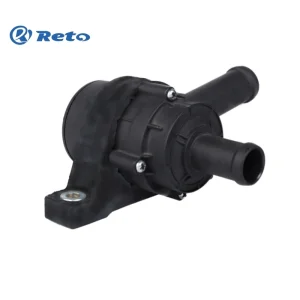
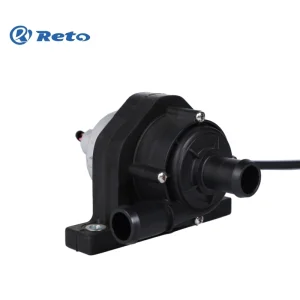
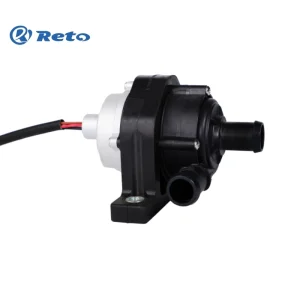
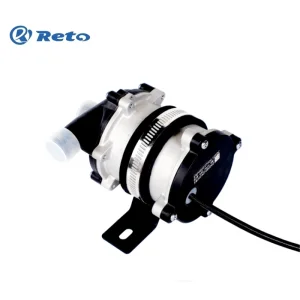
Addressing the technical, operational, and commercial parameters critical to automotive pump procurement in the UAE and GCC region.