Precision engineered for the automotive corridor spanning Illinois, Indiana, and Michigan. High-reliability 12V/24V brushless electronic auxiliary and loop pumps.
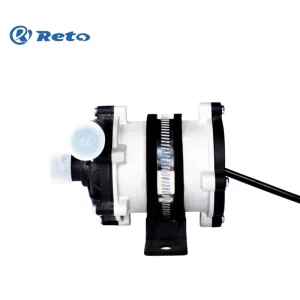
Chicago Specification 12V Automotive Liquid Cooling Water Pump
Explore Pump Specifications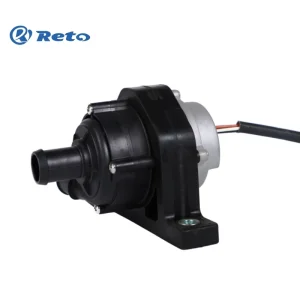
Custom 12V High Temperature Electric Water Pump for Chicago Suppliers
Explore Pump Specifications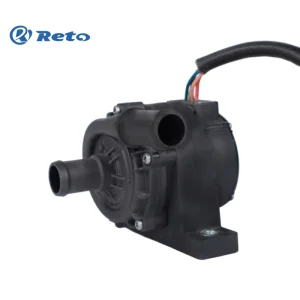
12V Customization High Temperature Water Pump for Great Lakes Automotive Plants
Explore Pump Specifications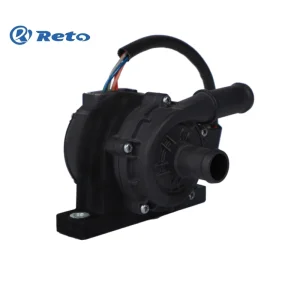
Industrial-Grade Brushless DC Cooling Water Pump for Midwest Assembly
Explore Pump SpecificationsThe Greater Chicago metropolitan area, anchoring northeastern Illinois and adjacent automotive sub-corridors in northwest Indiana and southern Wisconsin, represents a pivotal hub for advanced automotive component sourcing, fleet assembly, and heavy-duty thermal systems engineering.
With massive intermodal freight terminals across Joliet, Elwood, and Chicago Southland, Chicago is the premier distribution gate for OEM automotive tiers. The demand for auxiliary water pumps that meet both harsh sub-zero continental winters and extreme highway hauling loads is higher here than in any other North American transit corridor.
As the Chicago Transit Authority (CTA) and regional delivery logistics transit into electrified infrastructure, municipal and commercial utility vehicles require ruggedized, secondary brushless DC pumps capable of thermal stabilization in extreme environments from -40°C deep freeze to +125°C thermal soak.
The manufacturing corridor surrounding Cook, DuPage, Kane, and Lake counties hosts dozens of tier-level powertrain, HVAC, and cooling module integrators who demand rapid customization, strict PPAP compliance, and zero-defect quality systems.
Automotive thermal management is transitioning rapidly from mechanical, belt-driven fluid circulation to intelligent, electronically commutated Brushless DC (BLDC) systems. Modern New Energy Vehicles (NEVs), Hybrid Electric Vehicles (HEVs), and Internal Combustion Engines (ICE) downsizing mandates demand precision coolant distribution.
Traditional mechanical pumps consume parasitic engine torque regardless of thermal requirements. In contrast, modern BLDC pumps respond dynamically to CAN-bus and LIN-bus commands, utilizing Pulse Width Modulation (PWM) to calibrate flow rates down to fractions of a liter per minute. This reduces parasitic drive losses, mitigates energy consumption by up to 35%, and shortens cold-start emissions cycles.
Navigating global supply chain volatility requires balancing rigorous Western quality frameworks with agile, highly automated production centers capable of rapid tooling, mold modification, and unyielding scalability.
Our manufacturing base in Xiamen operates entirely under IATF 16949, ISO 9001, and TÜV audited process management. From Design Failure Mode and Effects Analysis (DFMEA) through Process FMEA, Production Part Approval Process (PPAP Level 3), to full statistical process control (SPC), every component delivered into the Chicago hub is verified to automotive zero-defect standards.
Equipped with fully automated stator coil winding, robotic ultrasonic plastic welding, computer-vision impeller balancing, and vacuum potting systems. Every single pump is engraved with a serialized 2D Datamatrix code linked to our Manufacturing Execution System (MES), securing lifecycle traceability for pump housing batch, rotor balance data, and hydraulic performance curves.
Engineering pumps intended for international platforms requires strict environmental and chemical governance. Our products strictly comply with REACH, RoHS, and California Proposition 65 standards. Fluid-contact materials (PPS, PPE, ceramic bearings, EPDM/Fluorosilicone O-rings) undergo rigorous multi-fluid aging tests in ethylene glycol, water, and dielectric fluids.
Our senior engineering team can provide CFD thermal simulation reports and CAD step models within 48 hours.
Tailored fluid movement profiles addressing specific operating pain points across passenger cars, commercial haulers, and stationary industrial electronics.
High-voltage silicon-carbide (SiC) power electronics and high-RPM permanent magnet traction motors generate concentrated thermal spikes during rapid acceleration and regenerative braking. Our brushless pumps deliver continuous high-volume fluid circulation across localized cooling jackets to prevent thermal throttling, maintaining stator temperatures within safe thresholds.
Lithium-ion battery packs require strict thermal uniformities (optimally between 20°C and 35°C). In freezing Chicago sub-zero weather, our pumps circulate glycol through PTC heating matrices to bring cold cells to operational temperatures. During DC fast-charging cycles, the same pumps ramp up immediately via PWM speed signals to prevent thermal runaway.
Modern downsized internal combustion and hybrid engines rely on independent electric auxiliary pumps to cycle coolant through turbocharger bearings after engine shutdown ("hot soak" protection). This eliminates oil coking, protecting turbo shafts and boosting long-term powertrain reliability.
Beyond vehicle integration, regional Midwest megawatt EV charging hubs and edge computing servers require continuous 24/7 liquid cooling. Our BLDC pump line offers low vibrations, maintenance-free continuous operation, and ultra-long service lives exceeding 35,000 hours.
Direct engineering answers addressing automotive procurement requirements, quality standards, and integration protocols.
Explore our complete portfolio of brushless DC circulating, cooling, and boosting pumps, engineered for automotive Tier-1 suppliers, battery pack developers, and commercial machinery manufacturers.
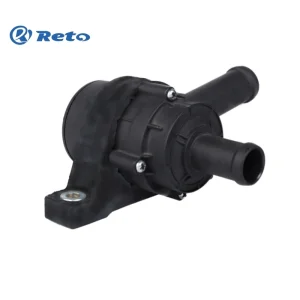
Custom DC Cooler Pump for Chicago EV Battery Pack Systems
Explore Pump Specifications
Midwest Fleet 12V Brushless Coolant Pump for Battery Thermal Loops
Explore Pump Specifications
High-Efficiency EV Coolant Pump for Commercial EV Thermal Management
Explore Pump Specifications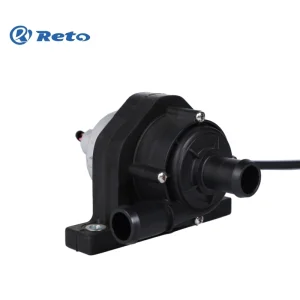
Custom 12V DC Electric Cooler Pump for Traction Motor Assemblies
Explore Pump Specifications
Ultra-Quiet Mini BLDC Coolant Pump for Cabin HVAC & Sensor Cooling
Explore Pump Specifications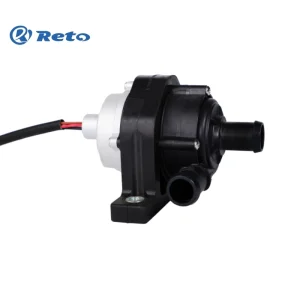
Compact 12V Liquid Cooling Pump for Dense Engine Bays & Electronics
Explore Pump Specifications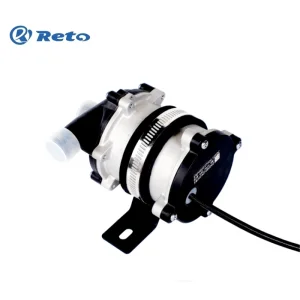
Chicago Heavy-Duty 12V Liquid Cooling Pump for Utility Electric Vehicles
Explore Pump Specifications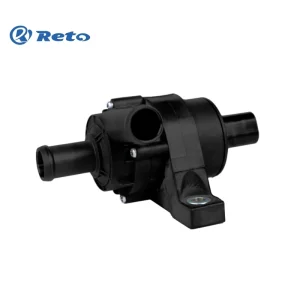
High-Flow Cooling Water Pump for Fast-Charging Modular Battery Racks
Explore Pump SpecificationsElevate your system efficiency, eliminate warranty leakage claims, and accelerate your development cycles with custom automotive electric pumps engineered for the demands of the North American market.